Categories
Blog Loughborough Stories PhD The Impact Hub TOWN Observatory

RGS-IBG Annual International Conference 2025, Birmingham

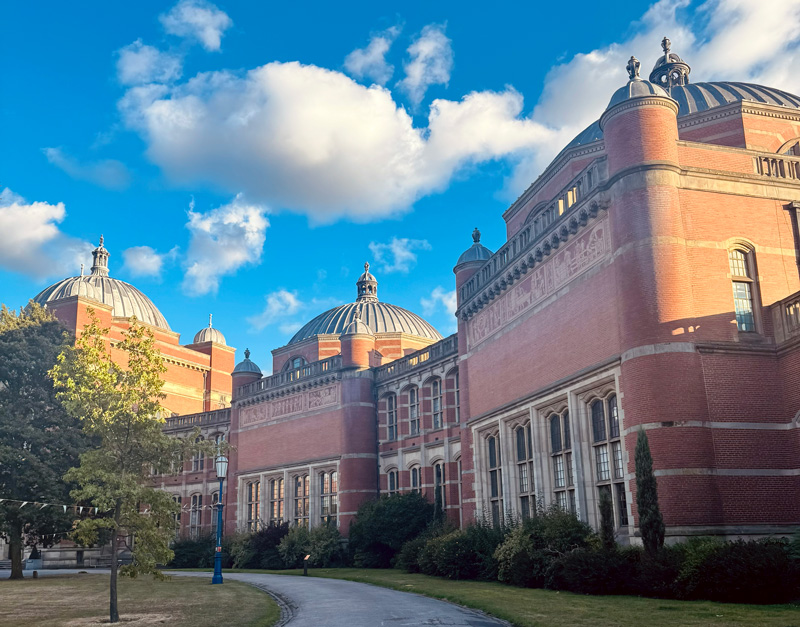
The University of Birmingham campus, host of the RGS-IBG Annual International Conference 2025

The Royal Geographical Society (with IBG) Annual International Conference took place at the University of Birmingham this year, running from 26 to 29 August 2025. Chaired by Professor Patricia Noxolo, the conference brought together more than 2,000 delegates from around the world, including geographers, researchers, practitioners and students. This year’s theme was ‘Geographies of Creativity / Creative Geography’, which sparked discussions about how creativity shapes the way people understand places, communities and environments. With over 400 sessions held across the four days, the programme ranged from creative methods and digital geographies to cultural landscapes, environmental change, indigenous knowledge systems and community-led research.

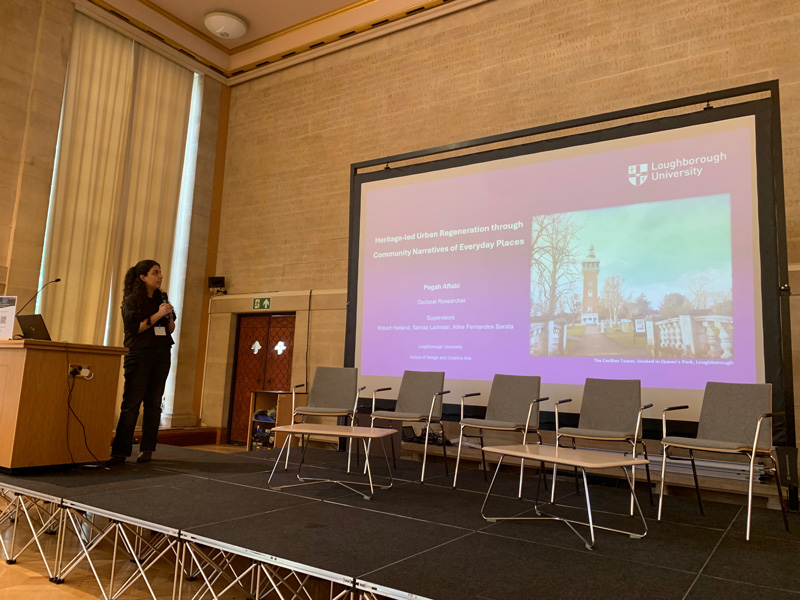
Loughborough University doctoral researcher Pegah Aftabi gave a presentation about her work during the Digital Creativity and Placemaking session of the conference. Her research explores how communities engage with heritage in their everyday lives and how their experiences can be recognised, mapped and shared with others through the use of digital tools. Pegah’s presentation highlighted the potential for digital platforms to make community perspectives more visible. By allowing people to share the places, practices and stories that matter to them, these tools open up opportunities for more inclusive conversations about what counts as heritage in a city.

Pegah Aftabi presenting about placemaking through digital narratives at the RGS 2025

Pegah also emphasised how this kind of digital work can support community-led planning, helping planners and policymakers move beyond official heritage listings to a better understanding of what residents value in their daily environments. Working with digital mapping in local communities isn’t without its challenges, Pegah acknowledged, citing people’s varying levels of digital literacy, differences in their access to technology and the need to be mindful of cultural sensitivities and privacy when collecting and sharing personal or community knowledge.

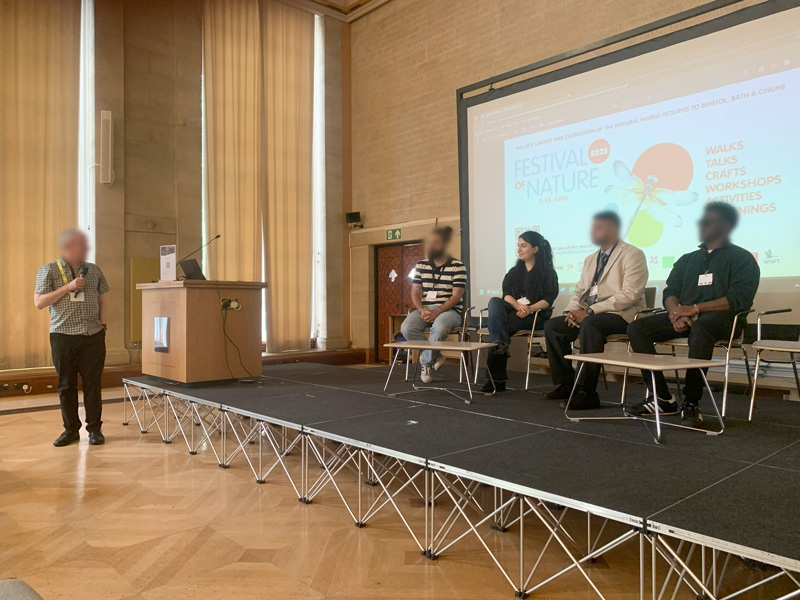
The presentation was followed by a panel discussion in which participants reflected on the role of digital creativity in placemaking. The conversation was lively and engaging, with ideas exchanged about how digital tools can support community participation and collaborative design. Pegah joined in with this discussion, sharing insights from her own research into how community-centred heritage and digital mapping can contribute to placemaking.

A number of other sessions and presentations were delivered during the conference by Impact Hub team members Dr. Taimaz Larimian, Mihyun Kim and Mohamed Shamroukh.

Categories
Blog Loughborough Stories PhD TOWN Observatory

Creative Photography and Mapping Workshops in Loughborough

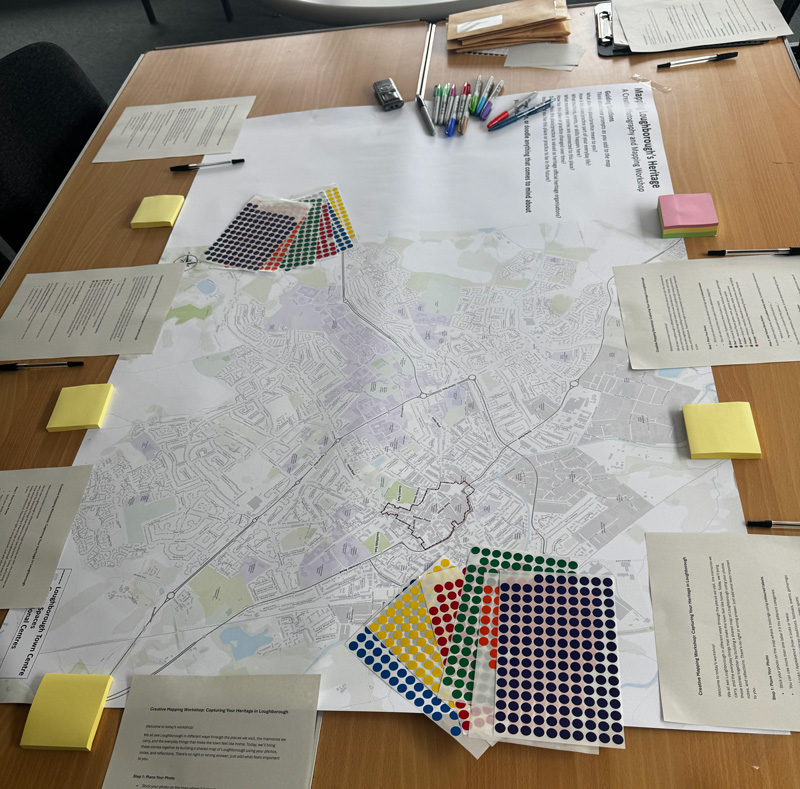
As part of her PhD project, Pegah Aftabi organised a series of creative photography and mapping workshops at John Storer House in Loughborough. The workshops aimed to explore how local communities perceive and define heritage in their everyday environments.

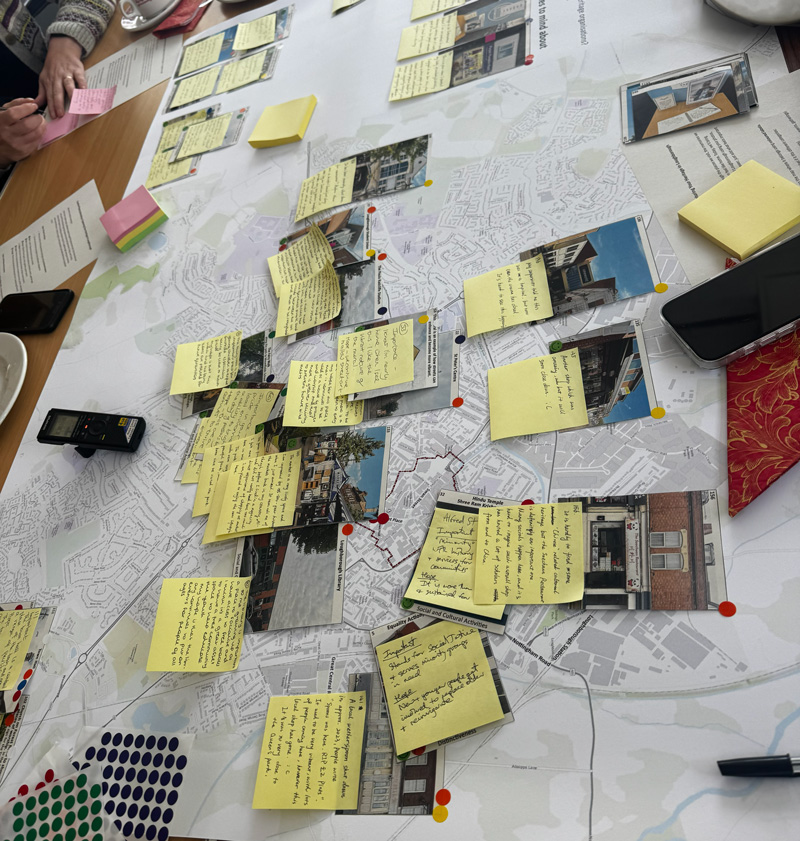
A total of 20 local residents participated in the sessions, which combined creative and participatory methods to document places of personal and collective significance. Using a mobile application, participants photographed meaningful locations across the town and shared short stories explaining their importance.

During the workshops, participants also used colour-coded labels to categorise different types of heritage, such as built heritage (buildings, public spaces, streets, and landmarks), natural heritage (green spaces, landscapes and natural settings), and sociocultural practices (social activities, cultural events, and community meet-up points). The classification process allowed participants to visually organise their inputs and visually map their connections to different places in Loughborough. This activity also created opportunities for participants to meet, discuss, and exchange perspectives on what makes Loughborough special to its residents.

The photos above present part of the maps developed collaboratively using participants’ photos and stories

The workshop series was followed by a feedback exercise to evaluate participants’ experiences and reflect on the process as a collective learning exercise. Insights from this session helped assess the workshop’s effectiveness in encouraging dialogue, collaboration, and a shared understanding of urban heritage in Loughborough.

The collected photographs, stories, and mapped data in this workshop will contribute to a digital map of community-centred heritage in Loughborough. These findings will inform the next stage of Pegah’s research on community-centred approaches to urban heritage and planning.

Find out more about this PhD Project here.

Categories
Blog Impact PhD The Impact Hub TOWN Observatory

DC Summer Showcase 2025, Loughborough University

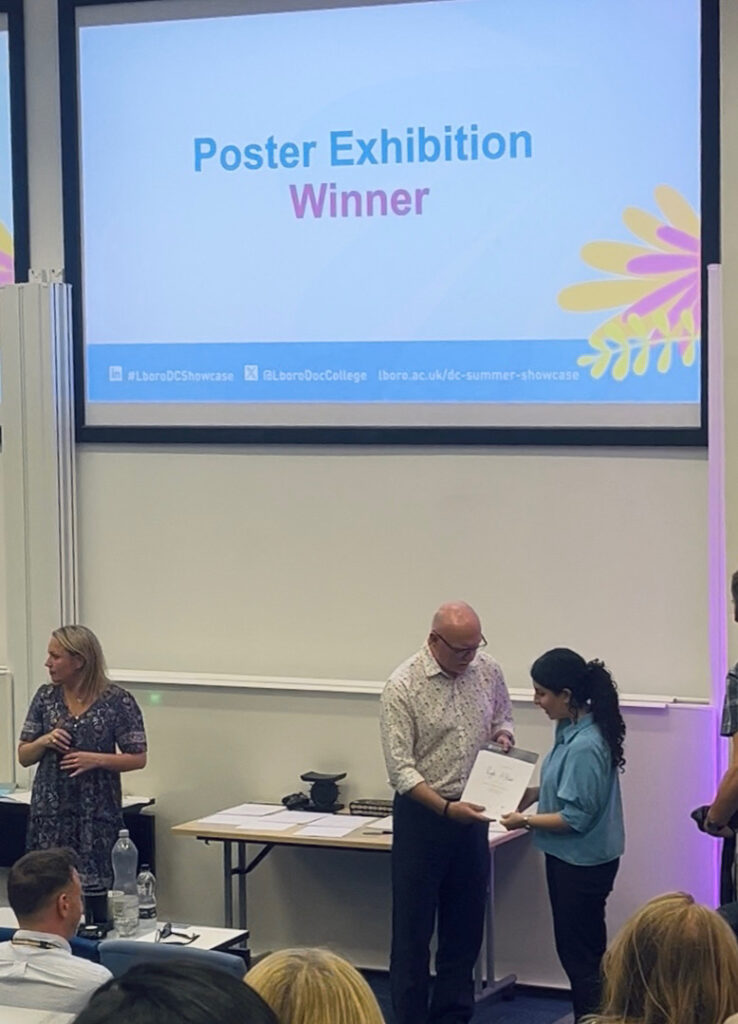
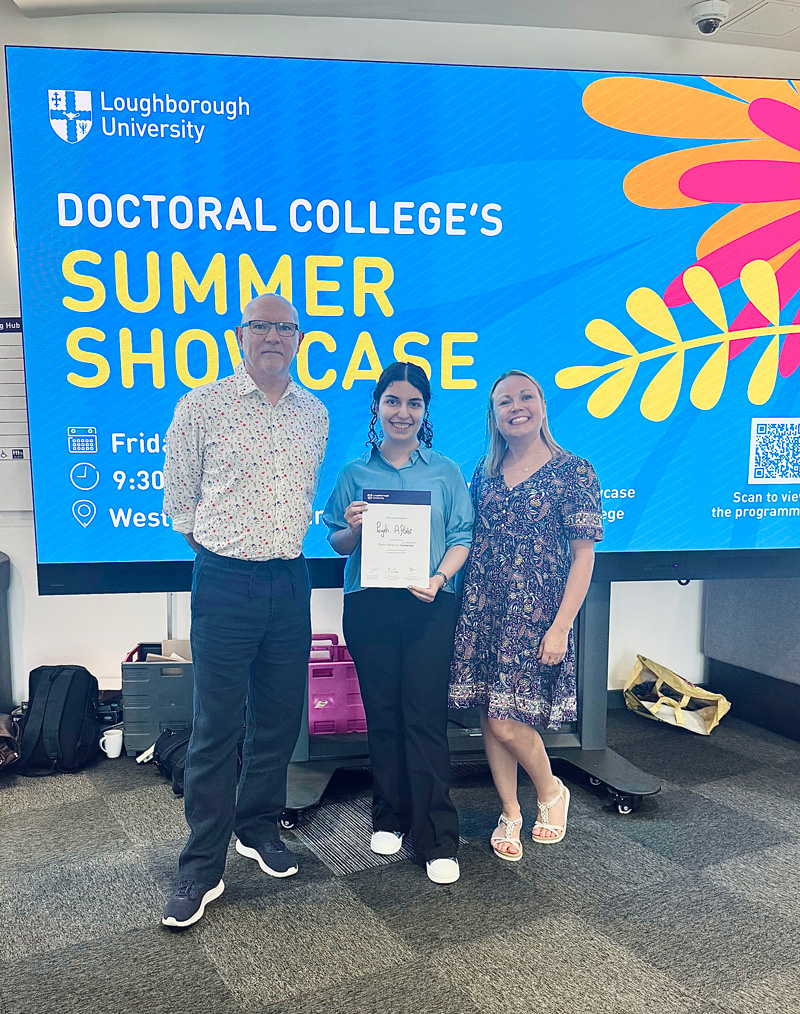
The Doctoral College’s Summer Showcase 2025 took place at Loughborough University on June 20th. This event was organised and held by Professor Steve Christie, Dr Katryna Kalawsky, and the Enhanced Academic Practice team at Loughborough University to celebrate the work of doctoral researchers. It featured several categories that encouraged researchers to present their work in creative and accessible formats. TOWN Observatory doctoral researchers, Pegah Aftabi and Mohamed Shamroukh, presented their projects at the session and were honoured with awards for their outstanding work.

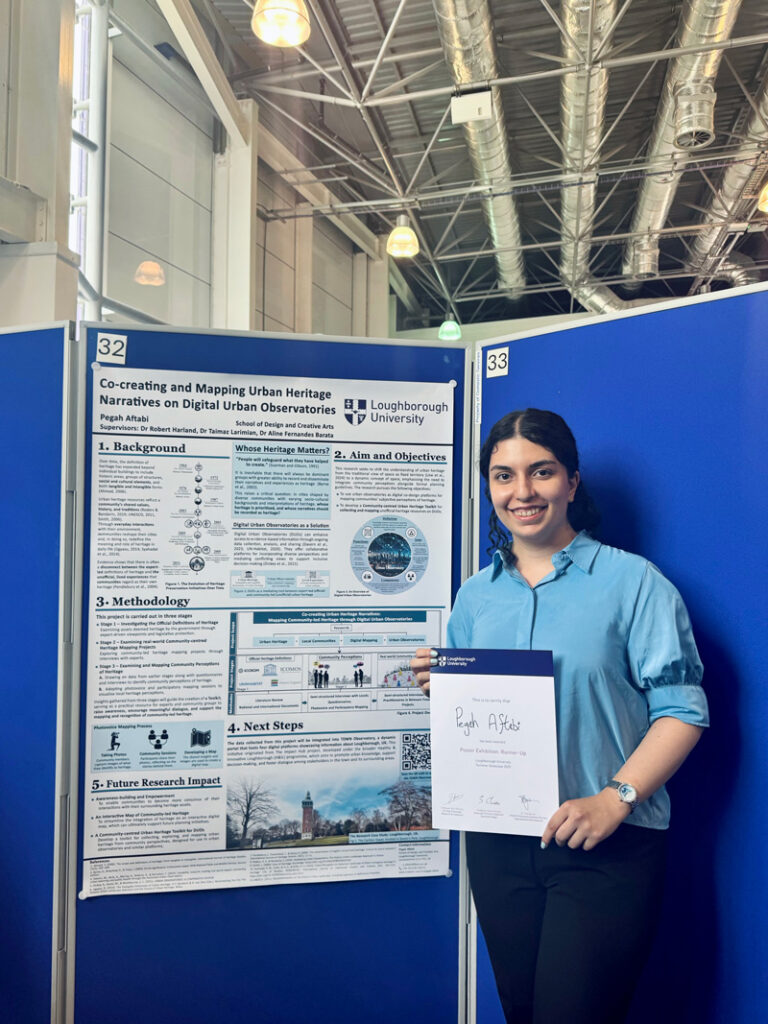
At this even the poster presented by Pegah Aftabi was selected by the judging panel as the winner of the Poster Exhibition at the Doctoral College’s Summer Showcase, chosen from 67 posters presented at the event.

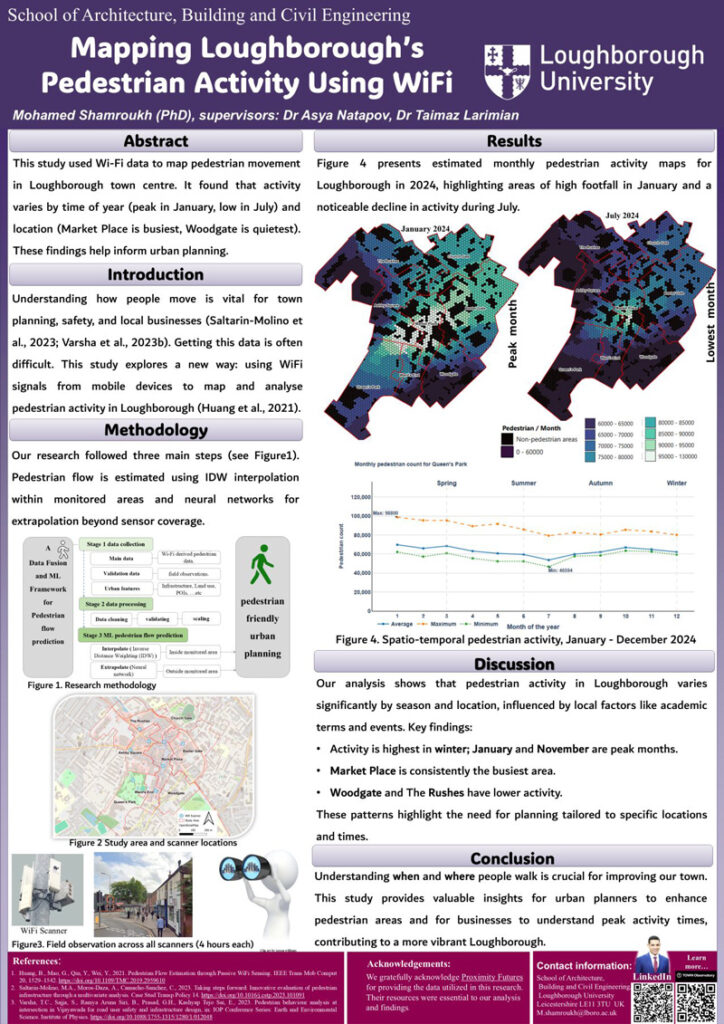
Mohamed Shamroukh presented his poster at the event and won the social media award selected by the audience. He also presented this poster at the SABCE Research Symposium at Loughborough University and won the People’s Choice Award.

Categories
Blog Loughborough Stories PhD TOWN Observatory

The European Urban Research Association Annual Conference 2025 (EURA), Bristol

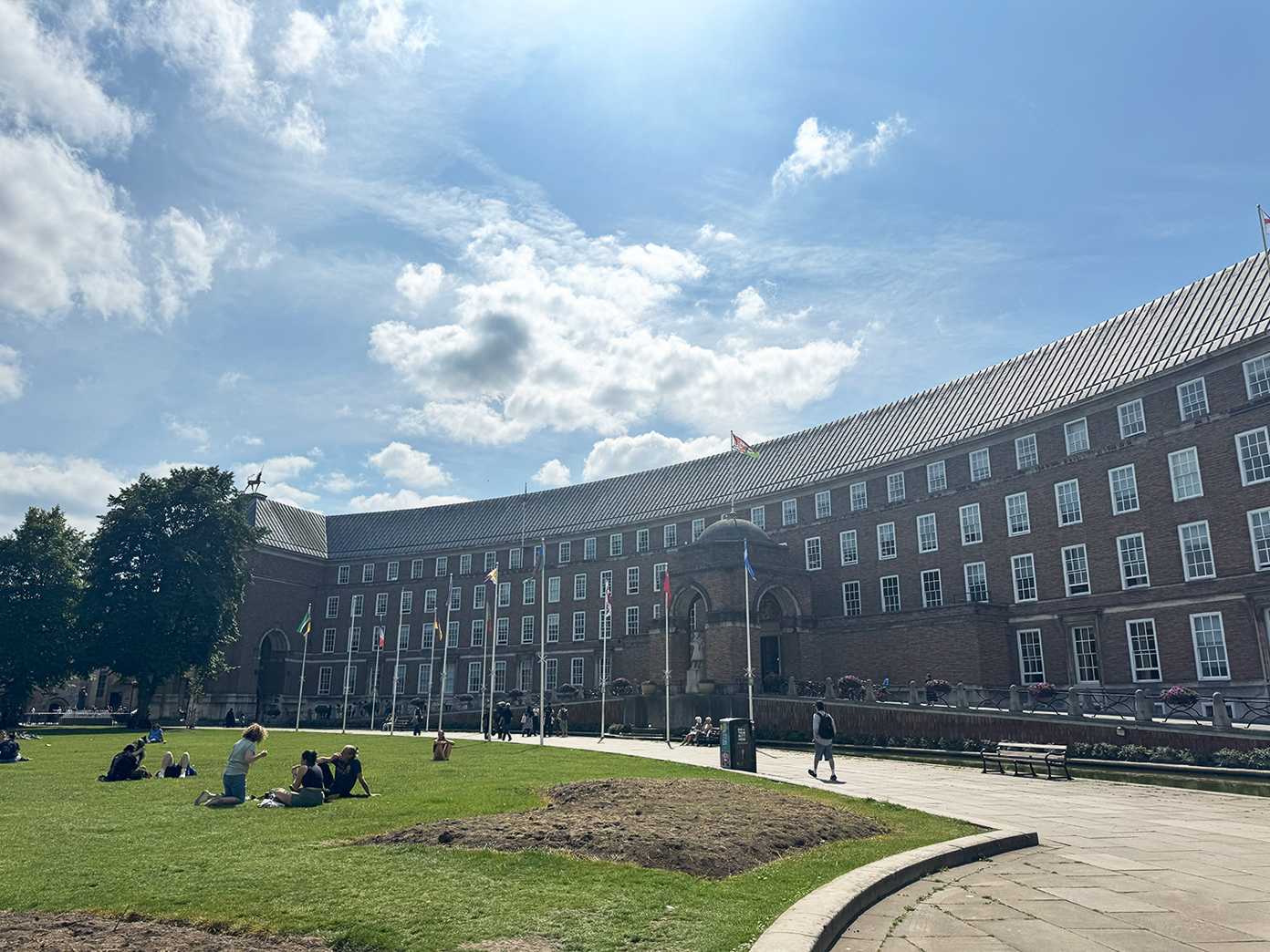
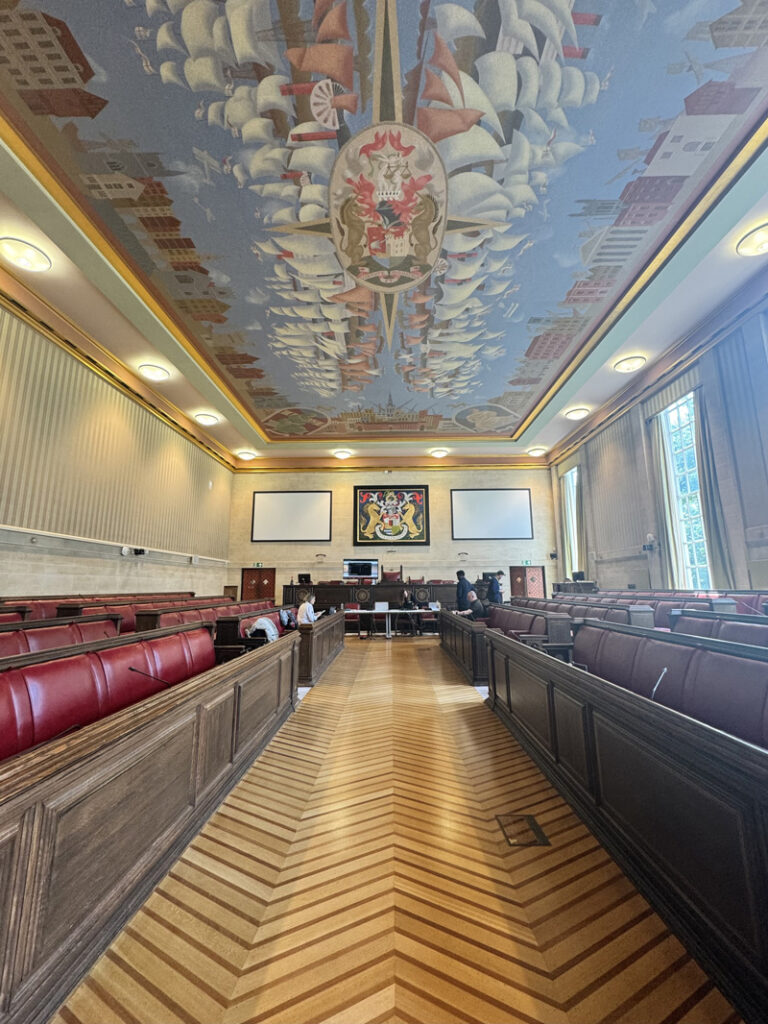
The Conference Venue, Bristol City Hall

The EURA 2025 Conference, hosted by the Centre for Sustainable Planning and Environments at the University of the West of England (UWE), took place at the iconic Bristol City Hall in June 2025. The overall theme of the conference was Creating Healthy and Sustainable Cities and included nine thematic tracks, alongside mobile workshops and study tours that offered participants the chance to engage with local activists and explore innovative urban developments in Bristol and surrounding areas.   

In Track 2, Regenerating the City, Pegah Aftabi presented her paper titled “Heritage-led Urban Regeneration through Community Narratives of Everyday Places,” developed as part of her PhD research at Loughborough University under the supervision of Dr Robert Harland, Dr Taimaz Larimian, and Dr Aline Fernandes Barata.

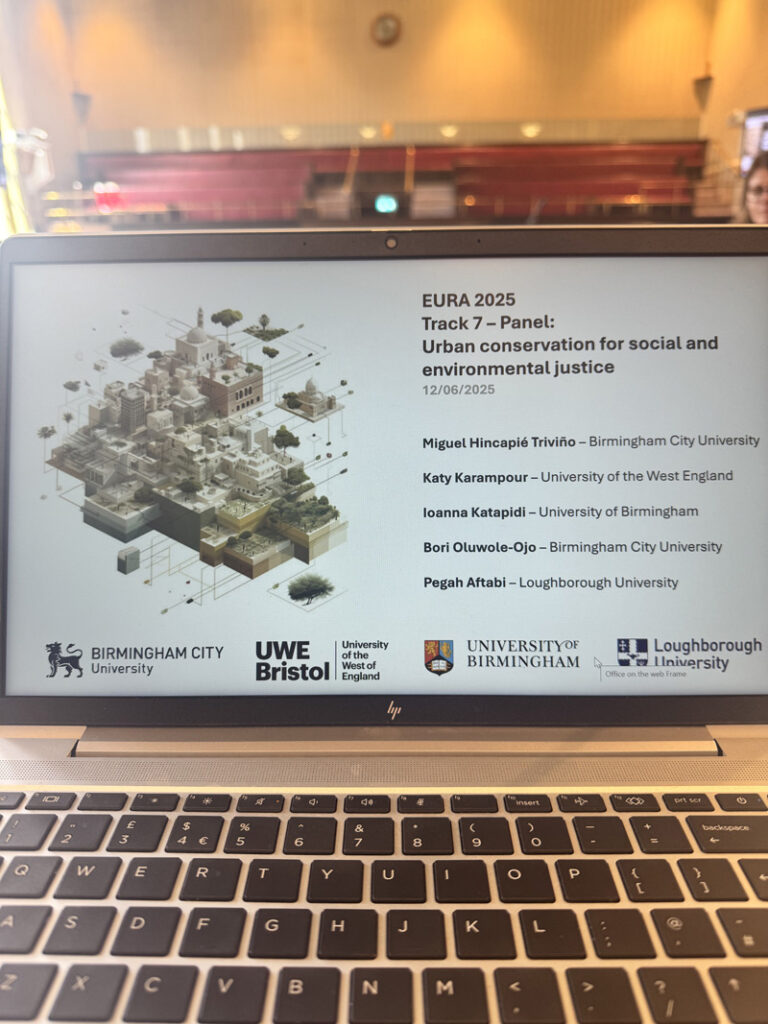
Pegah was also invited as a panelist in the pre-organised panel “Urban Conservation for Social and Environmental Justice,” alongside academics from Birmingham City University, UWE Bristol, and the University of Birmingham, representing Loughborough University and the TOWN Observatory platforms. The panel explored three critical questions, including: How can urban conservation advance justice by amplifying local experiences? What methodologies can capture plural perspectives in managing our shared past? How might conservation serve as a catalyst for social reflection rather than reinforcing cultural hierarchies? The discussion underscored the importance of inclusive and participatory approaches to urban conservation and highlighted the role of community narratives in shaping more equitable and reflective planning decisions.

Categories
PhD

Towards Pedestrian-Friendly Cities: Employing Geospatial Artificial Intelligence for Urban Planning

Doctoral Researcher Mohamed Mahmoud

Supervisors Dr. Asya Natapov and Dr. Taimaz Larimian

This PhD research delves into optimizing pedestrian-friendly urban planning to foster vibrant, sustainable cities by developing a comprehensive, data-driven framework. It begins with a rigorous systematic review of existing pedestrian monitoring techniques, critically evaluating their scalability, reliability, and suitability for diverse urban contexts. This analysis will inform the refinement of data collection methodologies, particularly focusing on enhancing the accuracy and robustness of WiFi-derived pedestrian data through meticulous validation against field observations and video data. A key element is the development of a GeoAI-powered predictive model, integrating advanced machine learning algorithms with sophisticated spatial analysis techniques to forecast pedestrian detailed density, flow patterns, and temporal variations. This model will account for a wide range of factors influencing pedestrian movements, including temporal dynamics and environmental characteristics. Furthermore, the research identifies and characterizes pedestrian hotspots, mapping their spatiotemporal fluctuations and investigating the underlying determinants of pedestrian activity, such as land use mix and accessibility. Crucially, it examines the intricate relationships between urban infrastructure, business activity, and pedestrian movement patterns, exploring how elements like street design, public amenities, and commercial operations influence walkability. Ultimately, this research aims to provide actionable insights and evidence-based strategies for creating pedestrian-oriented urban environments that promote sustainability, economic vitality, and enhanced quality of life.

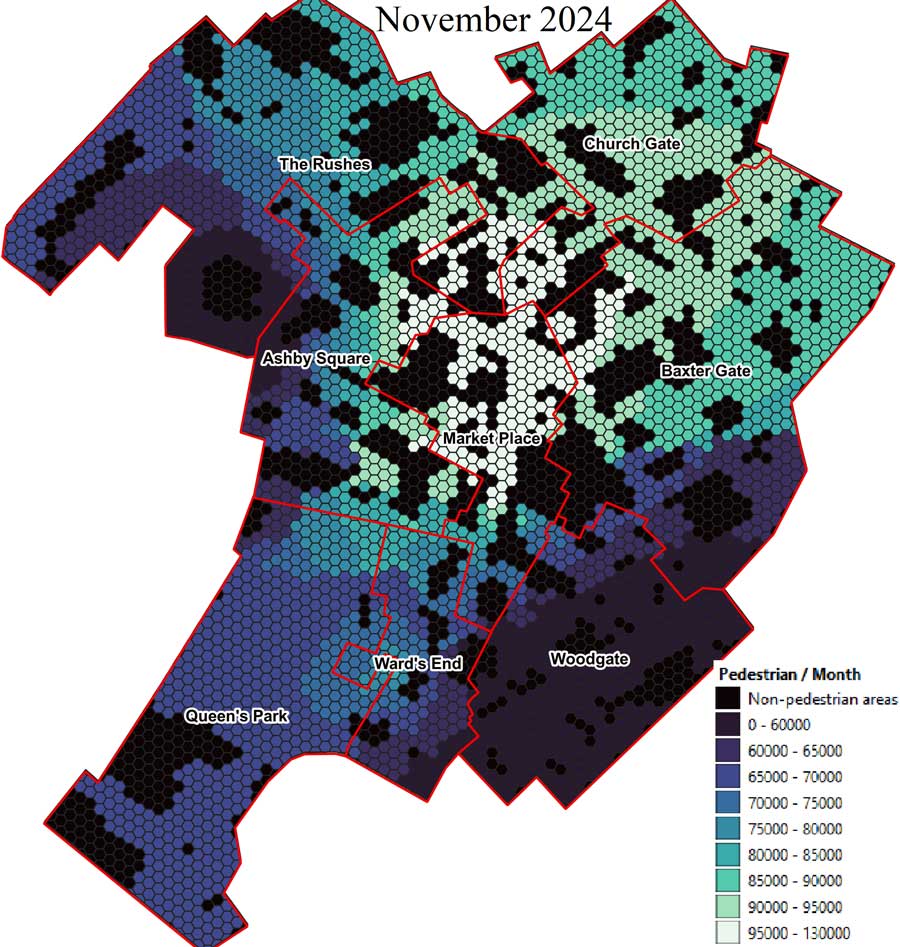
Pedestrian activity patterns in Loughborough town centre during November 2024

The Poster presented by the doctoral researcher a the 2025 DR Summer Showcase and the ABCE Research Symposium at Loughborough University. This poster won the People’s Choice Award at the ABCE Research Symposium and the Social Media Award at the Doctoral College’s Summer Showcase.

Platform
Loughborough in Motion

Categories
PhD

Co-creating Urban Heritage Narratives: Mapping Community-led Heritage through Digital Urban Observatories

Doctoral Researcher Pegah Aftabi

Supervisors Dr Robert Harland, Dr Taimaz Larimian, Dr Aline Fernandes Barata

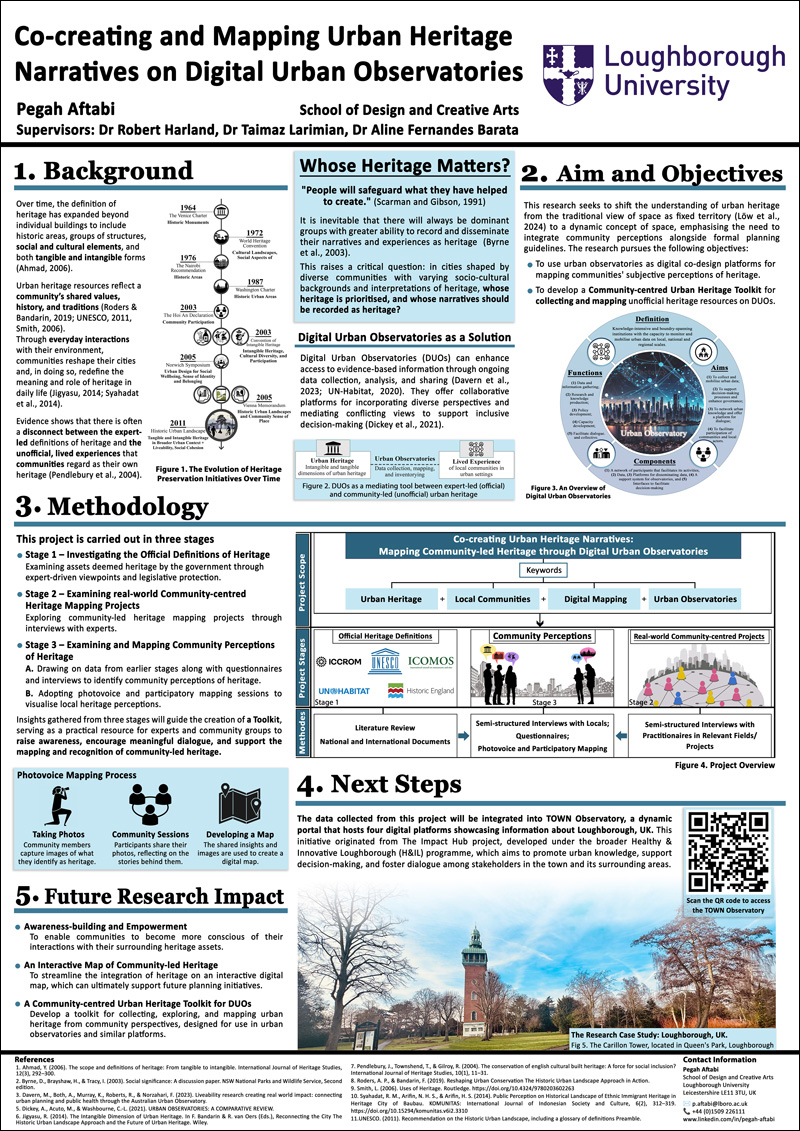
This project explores how communities perceive and interact with heritage in urban settings, recognising that heritage is a contested term shaped by conflicting interests. It focuses on mapping unofficial heritage—assets valued by local communities rather than formal institutions—and examines how official heritage designations can influence community perceptions at the neighbourhood level. A key aspect of the research is exploring Digital Urban Observatories (DUOs) and participatory methods for visualising community perceptions of heritage. As part of this effort, the study aims to develop a Community-Centred Urban Heritage Toolkit to provide structured guidelines and creative tools for engaging communities in mapping urban heritage.

This study follows three stages. The first stage focuses on identifying urban heritage assets and understanding community perceptions through a literature review and questionnaires conducted with local communities. The second stage involves developing the toolkit prototype by examining DUOs that incorporate community-centred approaches to documenting urban heritage, conducting comparative studies, and interviewing practitioners to refine the design. The third stage includes testing the toolkit through Photovoice data collection, a participatory method that enables communities to digitally document their perceptions of urban heritage. The study utilises The Our Voice Discovery Tool, developed by Stanford University, to recruit citizen scientists, collect data, and map community insights. The research culminates in modifying the toolkit and collectively mapping community narratives of heritage in Loughborough using ArcGIS StoryMaps to offer a digital representation of community-centred urban heritage.

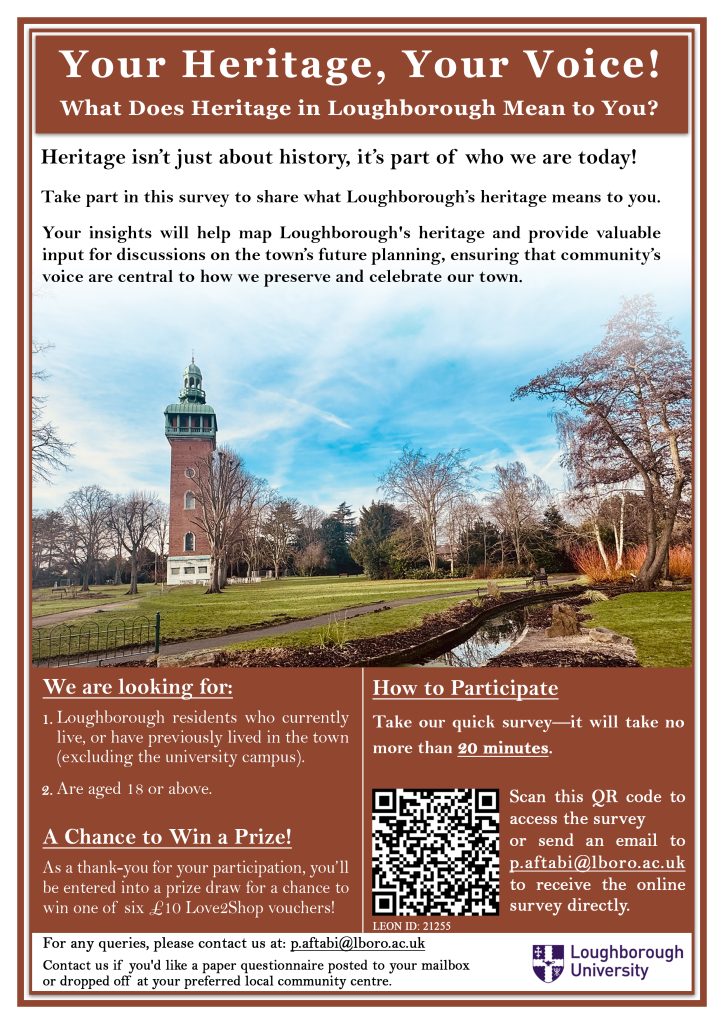
“Your Heritage, Your Voice” Survey Poster Used in Data Collection.
This poster was used to invite community members to participate in a survey on perceptions of urban heritage in Loughborough.

The Poster presented by the doctoral researcher a the 2025 DR Summer Showcase at Loughborough University. This poster was selected by the judging panel as the winner of the Poster Exhibition at the Doctoral College’s Summer Showcase, chosen from 67 posters presented at the event.

Platform

Loughborough Stories