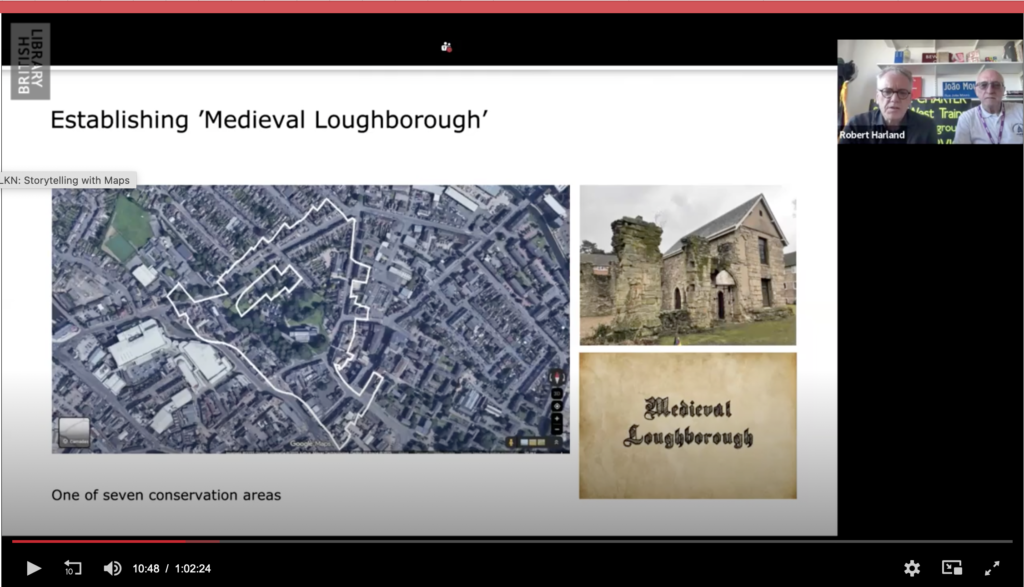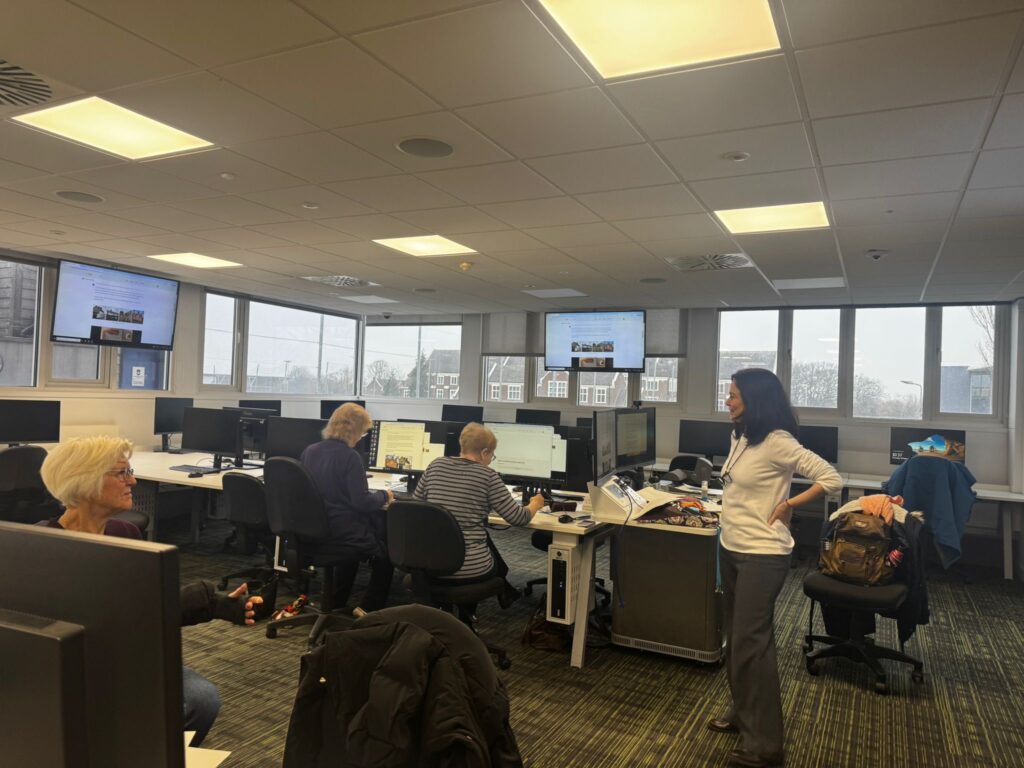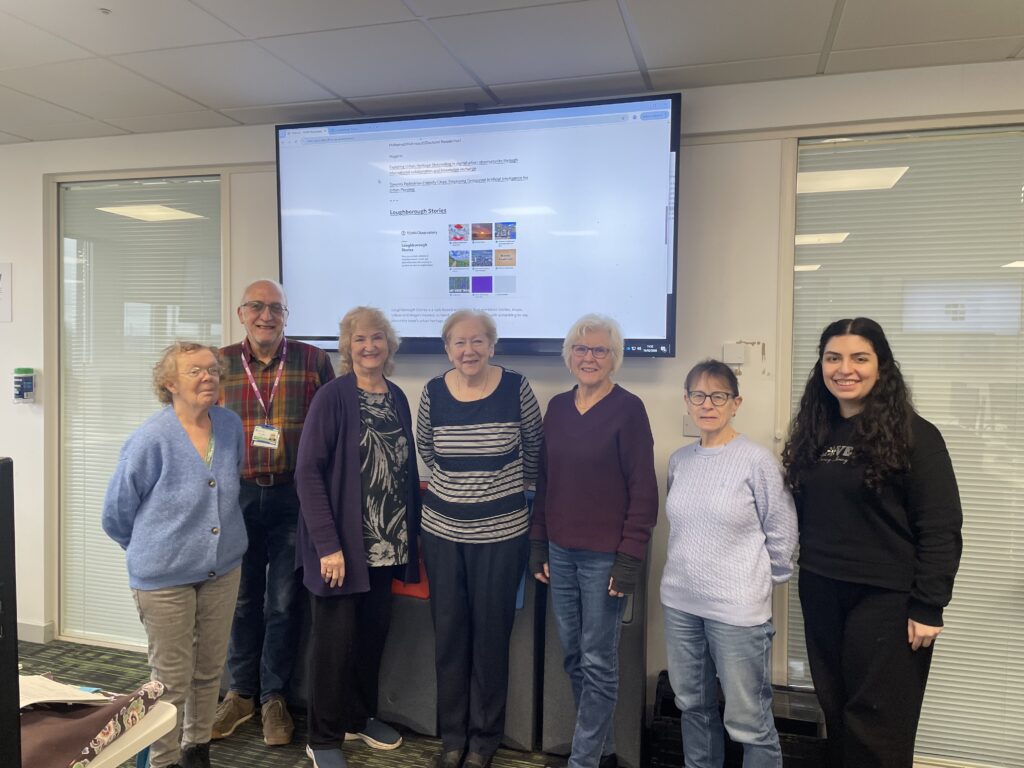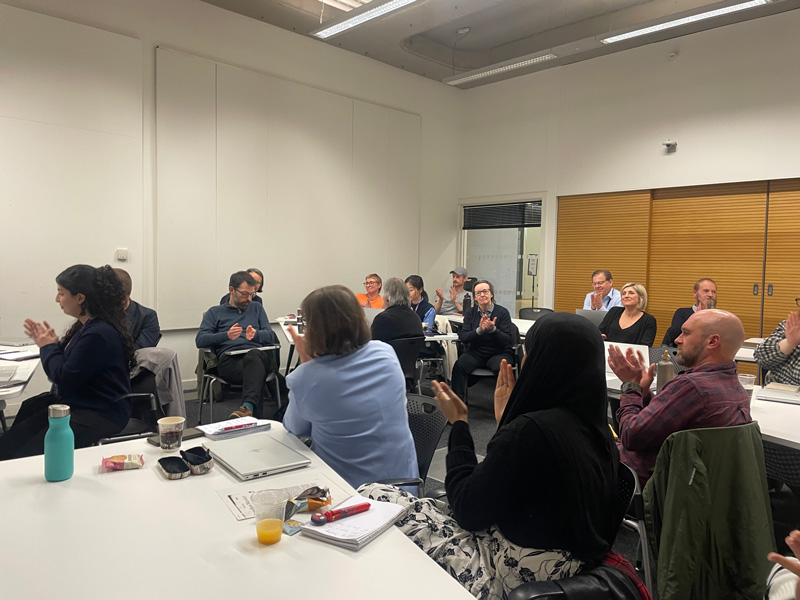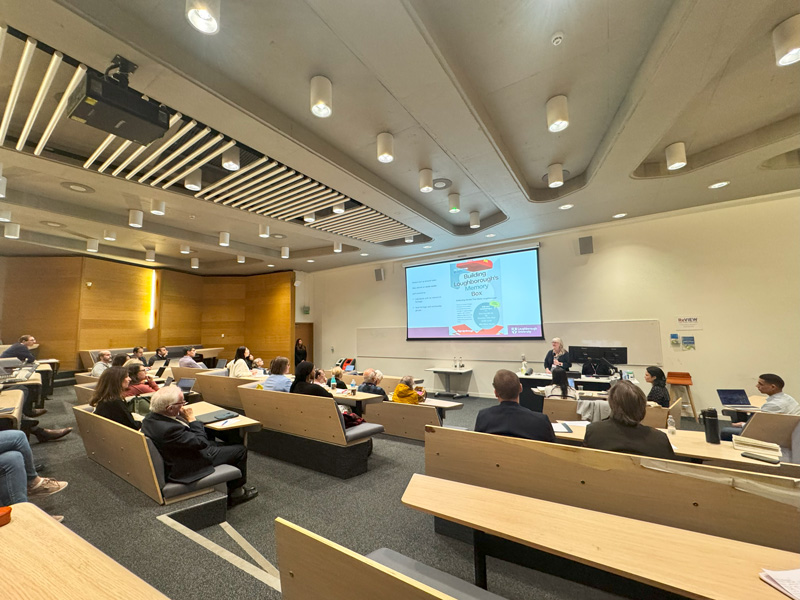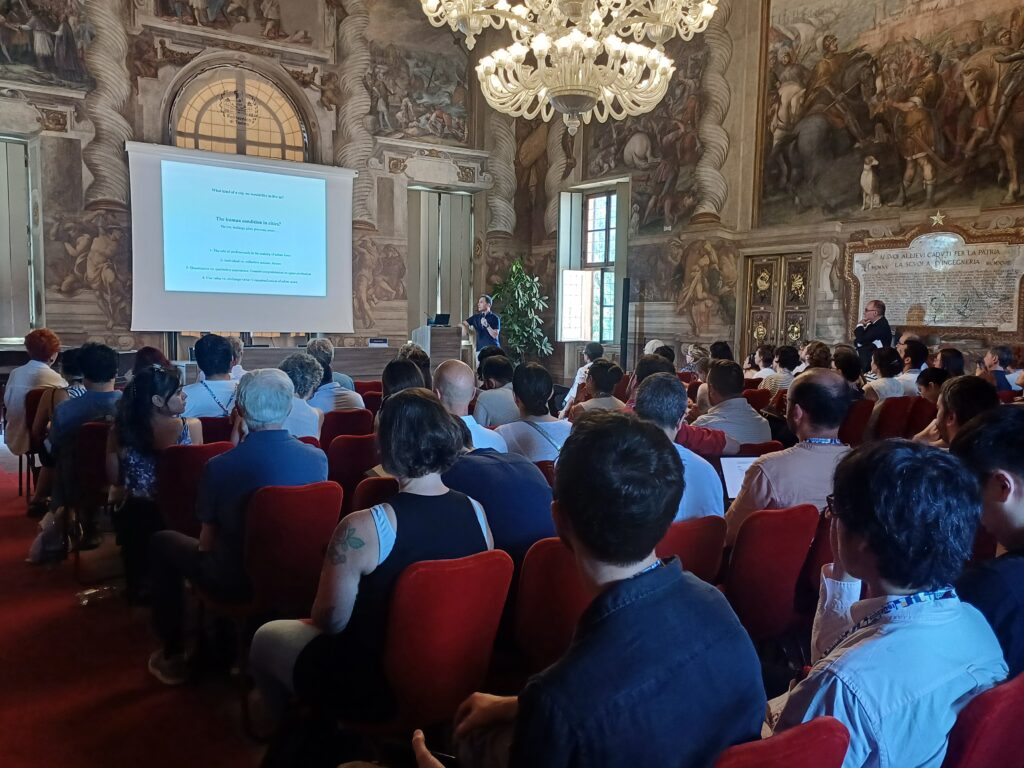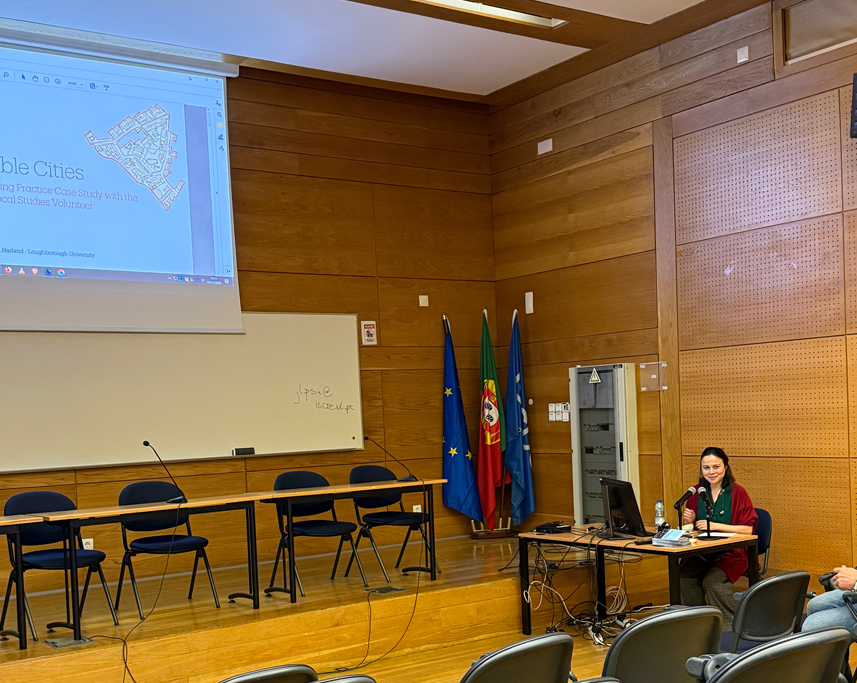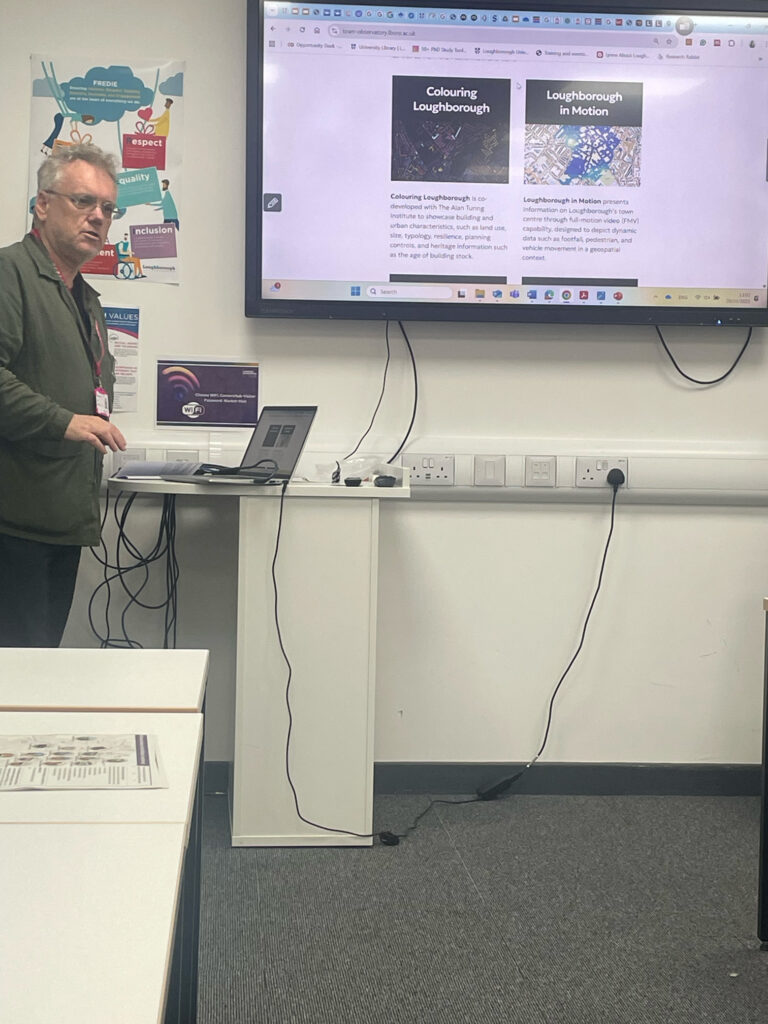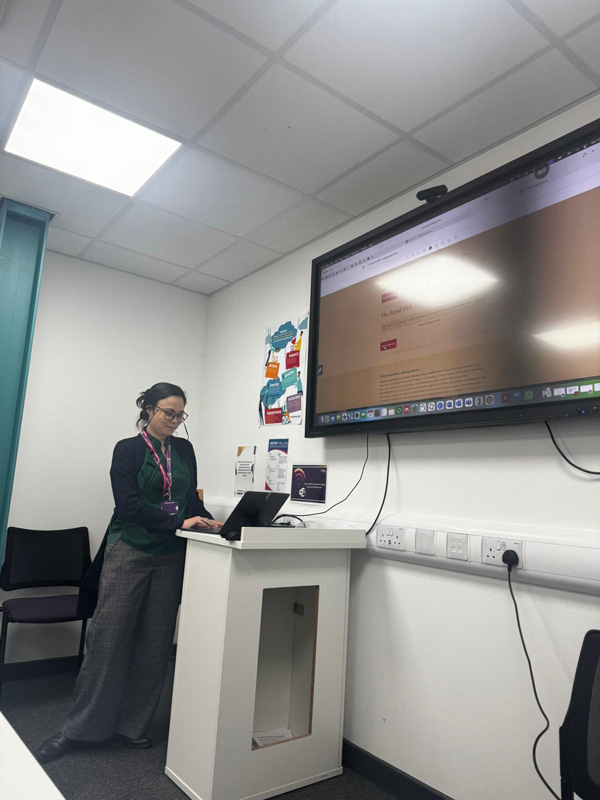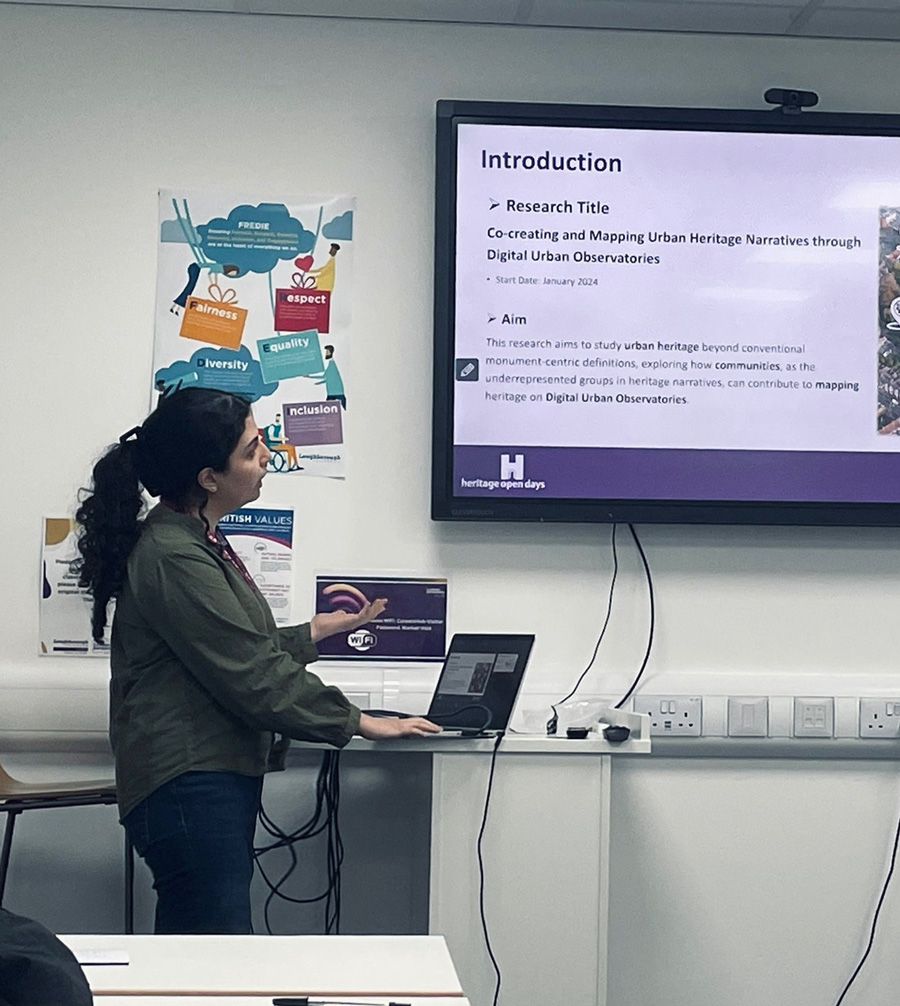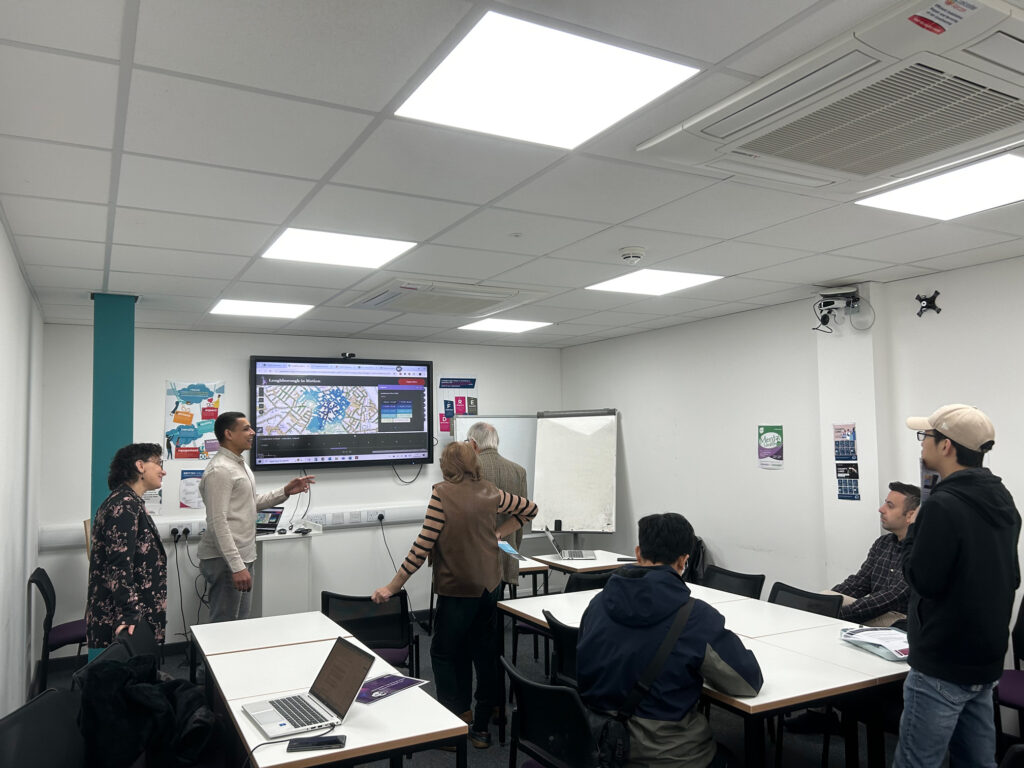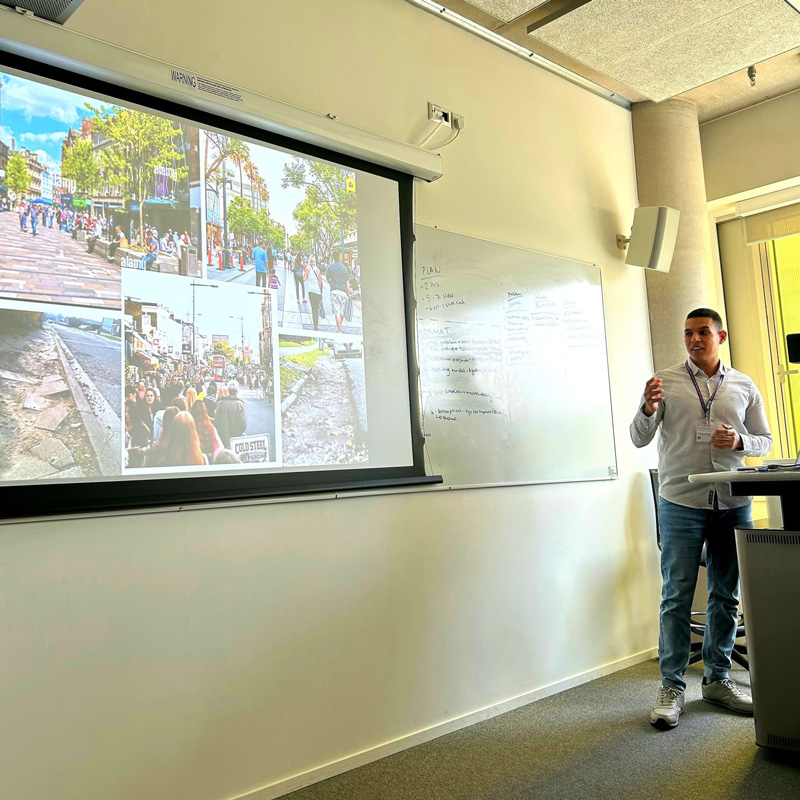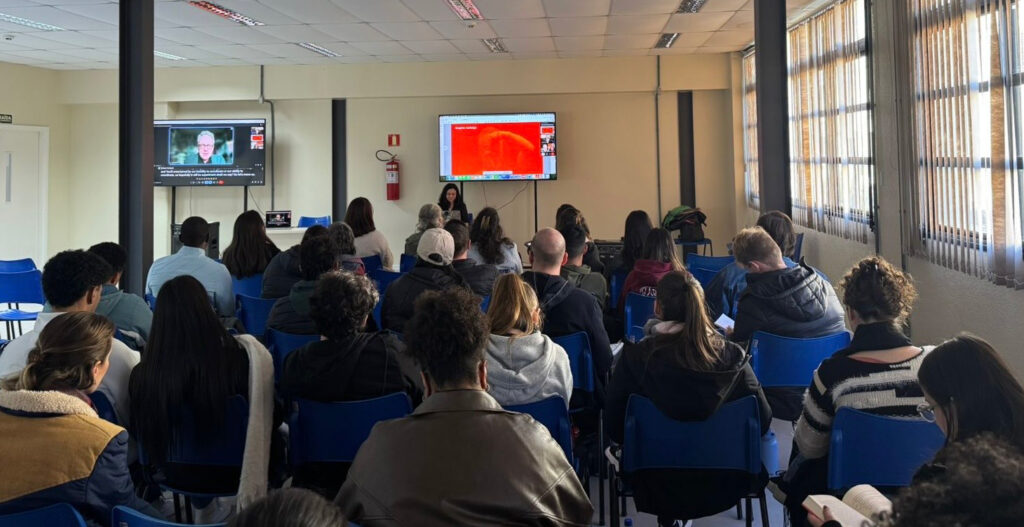
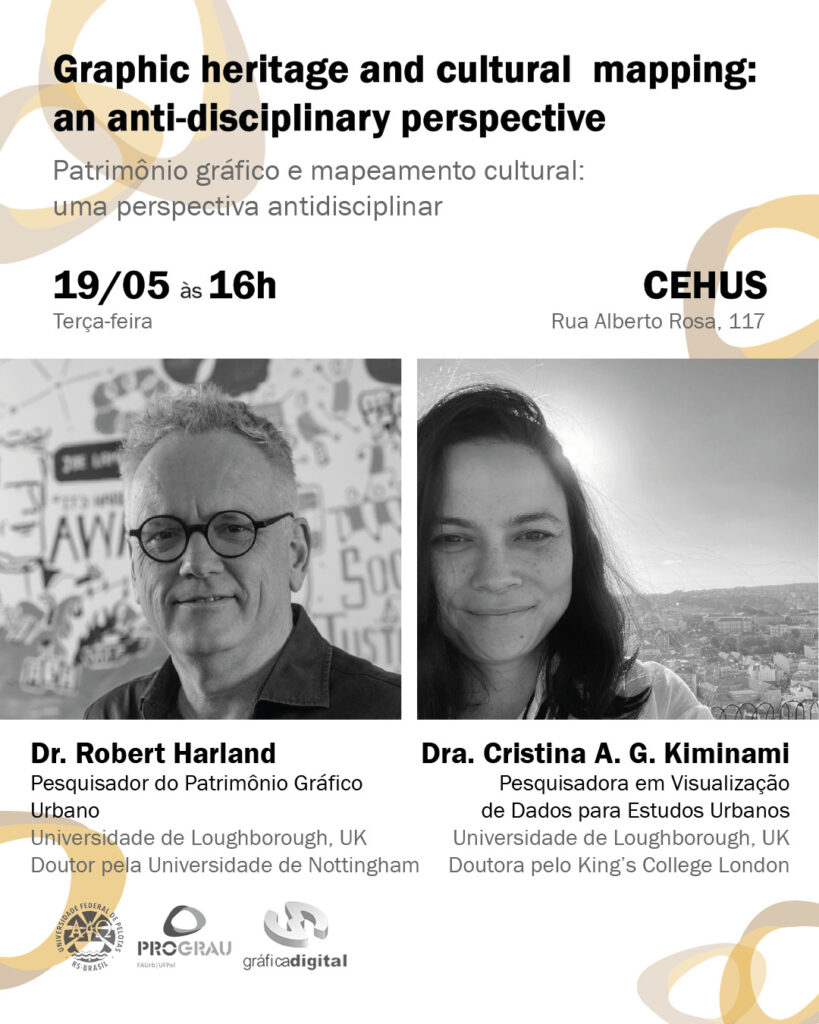
On 19 May, the Federal University of Pelotas in Rio Grande do Sul, Brazil hosted a presentation titled “Graphic Heritage and Cultural Mapping: an Anti-Disciplinary Perspective,” delivered by Dr Robert Harland and Dr Cristina A. G. Kiminami. Organised by the Specialisation Course in Digital Graphics and the Prograu Postgraduate Program in Architecture and Urbanism, the event attracted approximately 50 attendees.
The presentation provided new perspectives on the intersections of graphic heritage and cultural mapping, highlighting the significance of anti-disciplinary approaches in examining these topics. Dr. Harland and Dr. Kiminami facilitated active discussions and promoted the exchange of ideas, contributing to a productive session. They supported their argument by sharing an interpretation of anti-discplinary as:
Good scholarship must involve a tension between ‘discipline’ and ‘anti-discipline’ therefore. My starting point is that one of the most fruitfulways of maintaining this tension is through deep immersion in a discipline, combined with theconstant subjecting of knowledge deriving fromthe discipline to that developed in others (Harriss, 2002).
Participants commended the event for its innovative approach and the opportunity to engage with experts in the field. The presentation was considered successful and demonstrated the TOWN Observatory’s commitment to promoting dialogue and collaboration in digital graphics, heritage studies, and urbanism.
Acknowledgements: with thanks to Dr Tássia Vasconselos, lecturer in Architecture and Urbanism and coordinator of the Specialisation Course in Digital Graphics.
Harriss, J. (2002) ‘The case for cross-disciplinary approaches in international development’, World Development, 30(3), pp. 487–496.