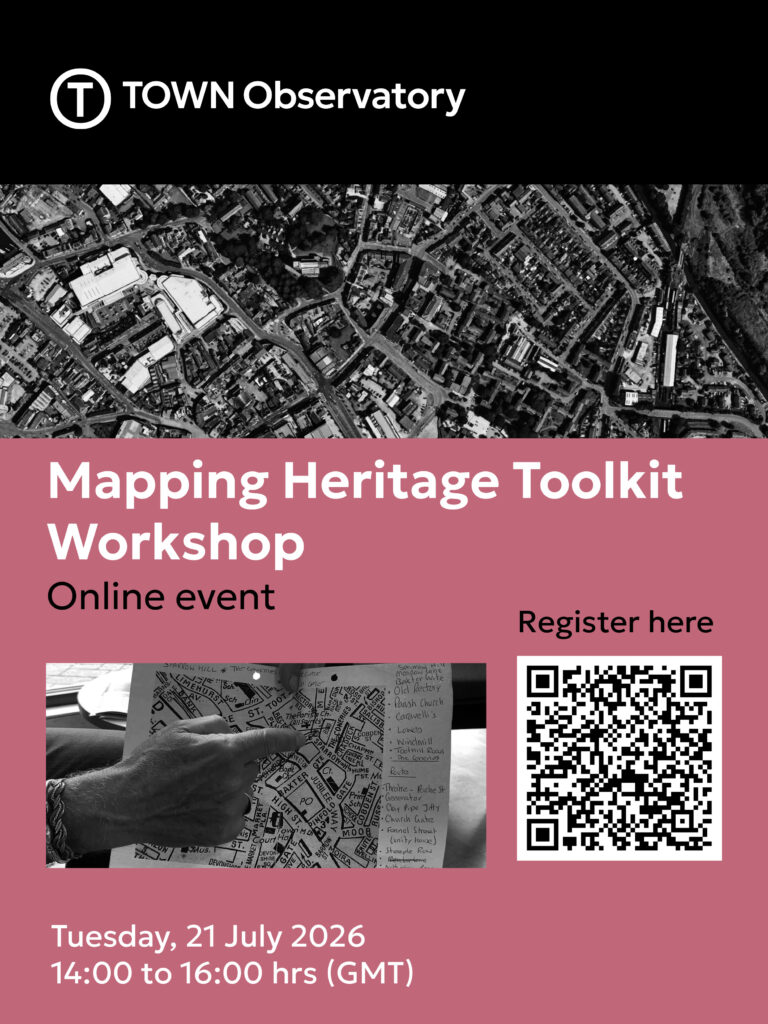
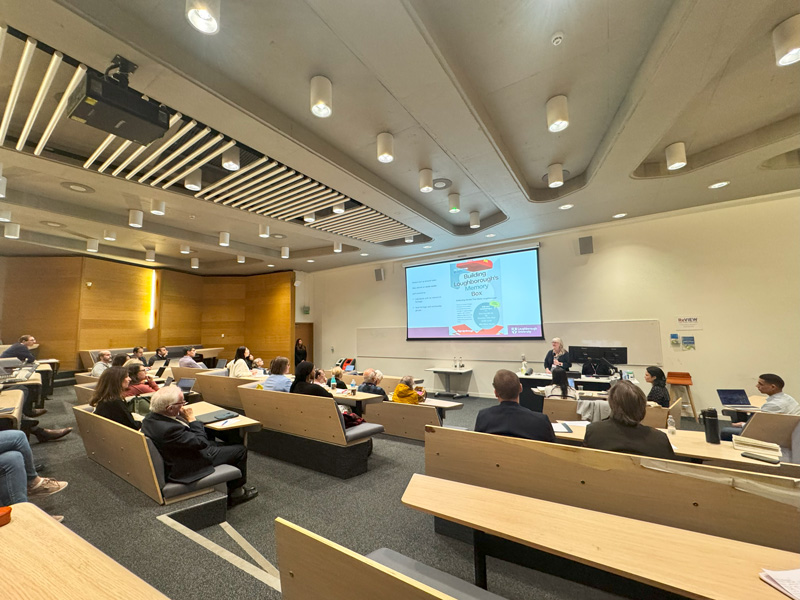
The Mapping Heritage Toolkit Workshop on Tuesday, 21 July, marks the official launch and introduction of the toolkit. If you enjoy local history, lead a community group, or just want to explore how maps and storytelling work together, this toolkit provides a guide through 12 simple steps to co-creating a story map.
The steps were developed by the TOWN Observatory and the Loughborough Library Local Studies Volunteer Group (LLLSVG), drawing on real experience of collaboration to build a story map from the beginning. Each step includes practical examples from LLLSVG projects concerning the Medieval Loughborough trail, Art Deco trail, and the Market Place, to provide insight into how ideas work in practice.
The toolkit presents a clear structure, providing one approach to creating a story map. Each step highlights key points for consideration in the synthesis of local knowledge, analogue resources, idea development, and creative execution using digital platforms.
For details scan the QR code below or register here.
Organising team Dr Robert G. Harland Dr Cristina A. Goldschmidt Kiminami Pegah Aftabi Greta Chen
On 18th March, 2026, the Living Knowledge Network – British Library hosted Dr. Cristina Kiminami and Dr. Robert Harland from Loughborough University, who presented their Heritage Mapping project. In collaboration with the Loughborough Library Local Studies Volunteer Group (LLLSVG), the project explored the potential for using the ArcGIS StoryMaps digital platform to combine stories, interactive maps, videos, photos and local history in an engaging experience that makes history easy and accessible for all.
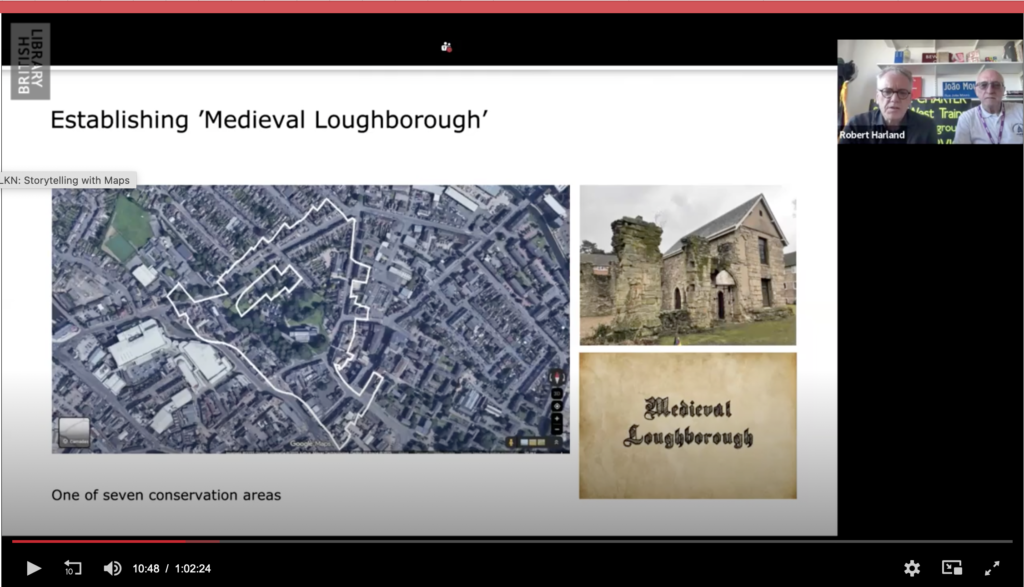
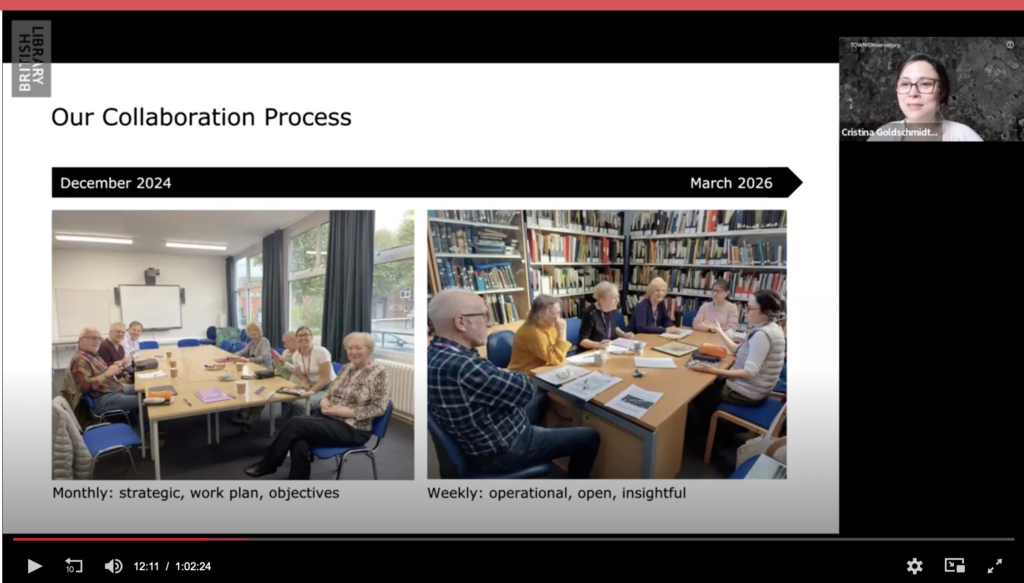
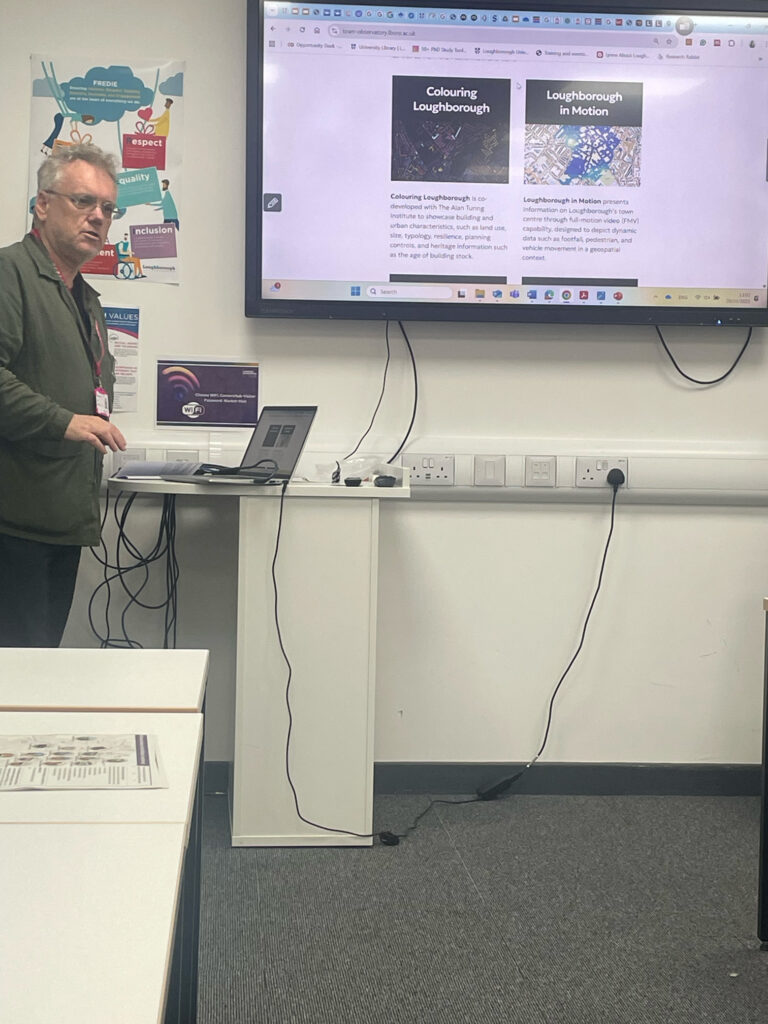
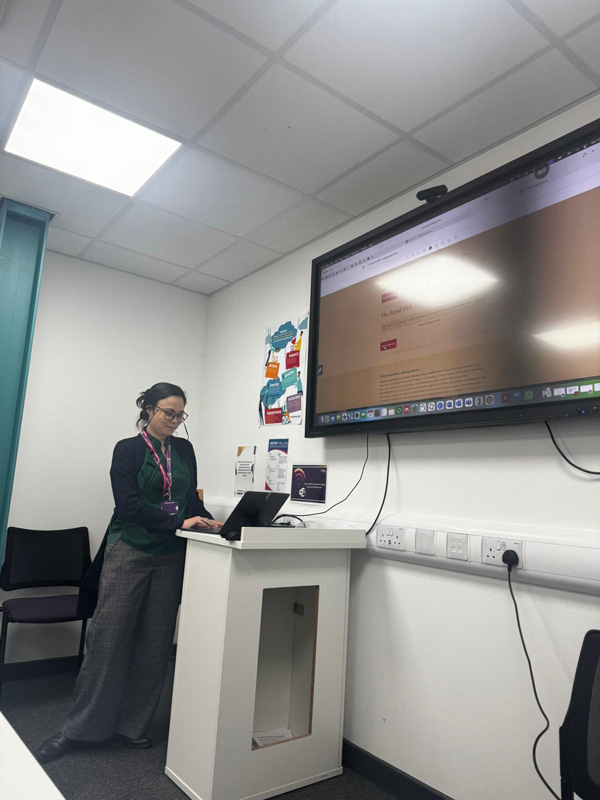
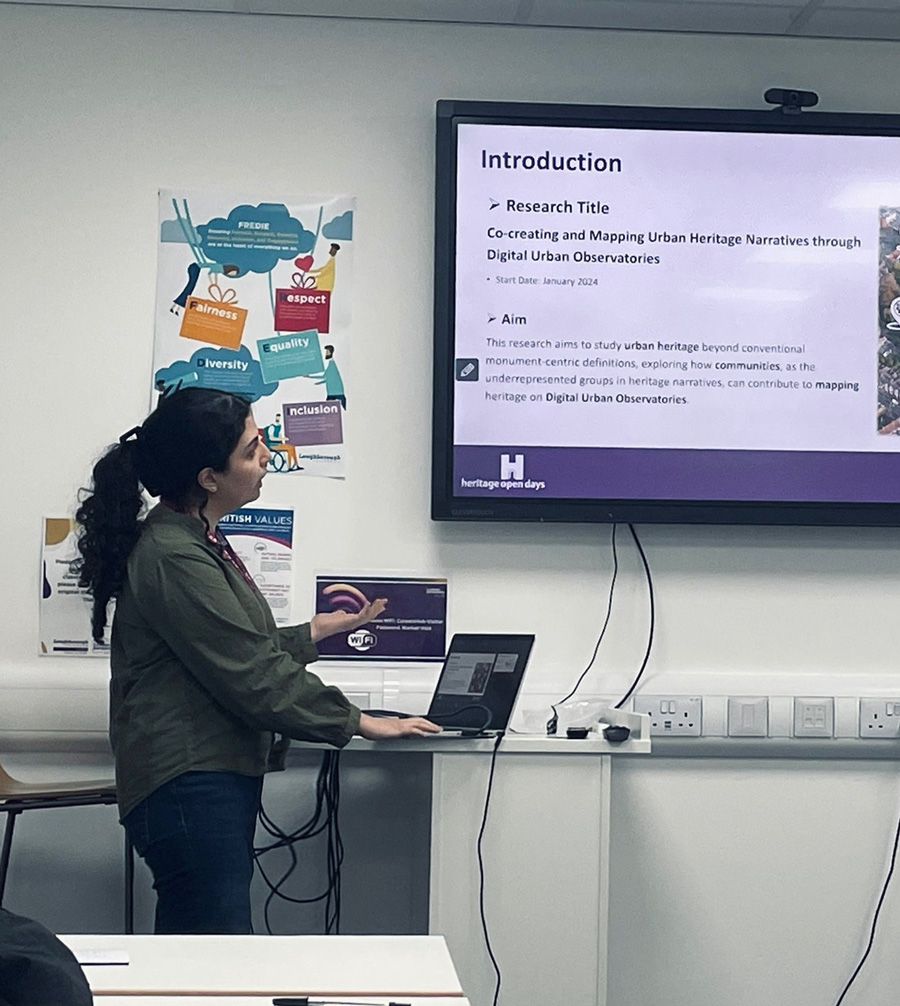
(1)(2)(3)
Images from the webinar, from left to right: (1) Dr Robert Harland introduces the creation of the Medieval Loughborough project; (2) Dr Cristina A. G. Kiminami explains how the collaboration worked, (3) David Kirkby (right) from LLLSVG answering questions from the audience from the volunteer group’s perspective.
This relationship shows how local history and archives can reach more people through open dialogue, co-creation and the development of digital literacy. The webinar shared valuable ideas for local studies librarians, archivists, volunteers and anyone interested in urban heritage, revealing how storytelling and community involvement can bring history to life when universities and local community groups work together.
Watch the full recording of the presentation here.
Acknowledgements: with thanks to Krisztina Lackoi and Zuzzanna Needham for the wonderful opportunity and to David Kirkby for representing the amazing LLLSVG team.
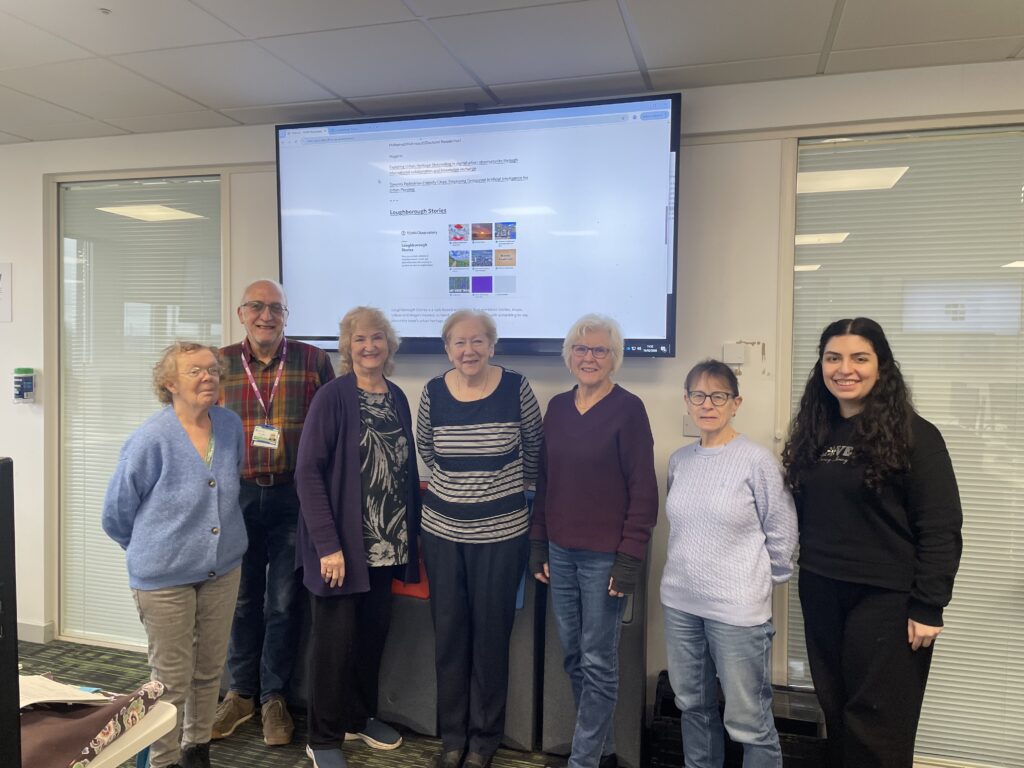
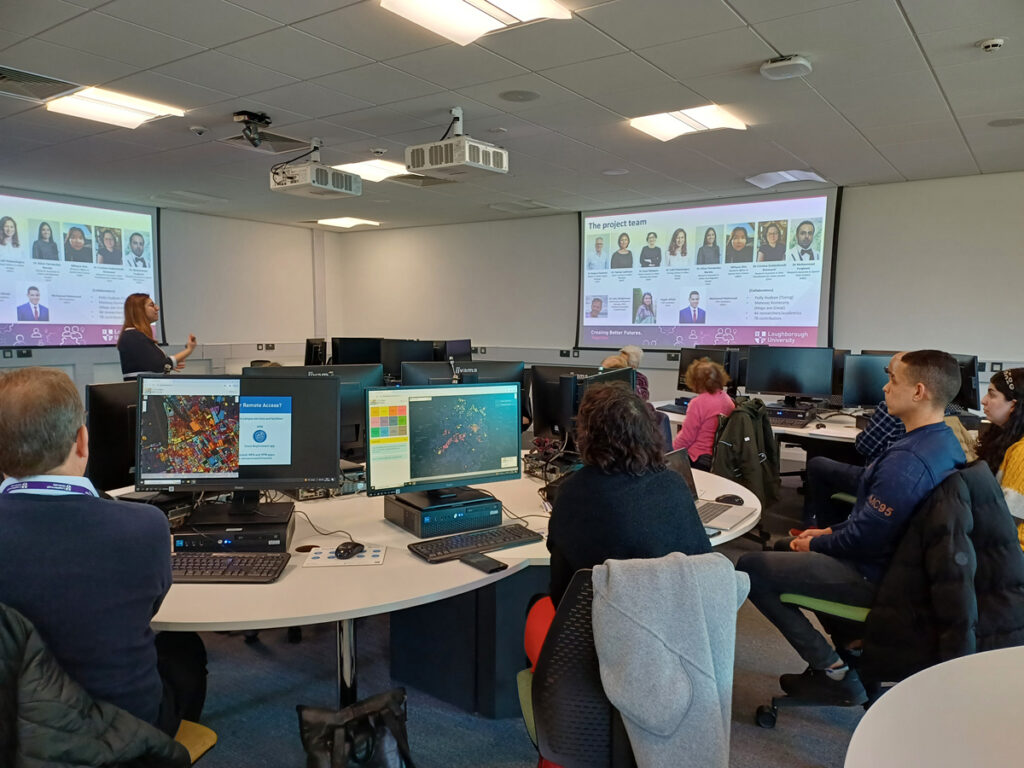
The photo above shows the participants and Dr Cristina G Kiminami during the StoryMaps workshop.
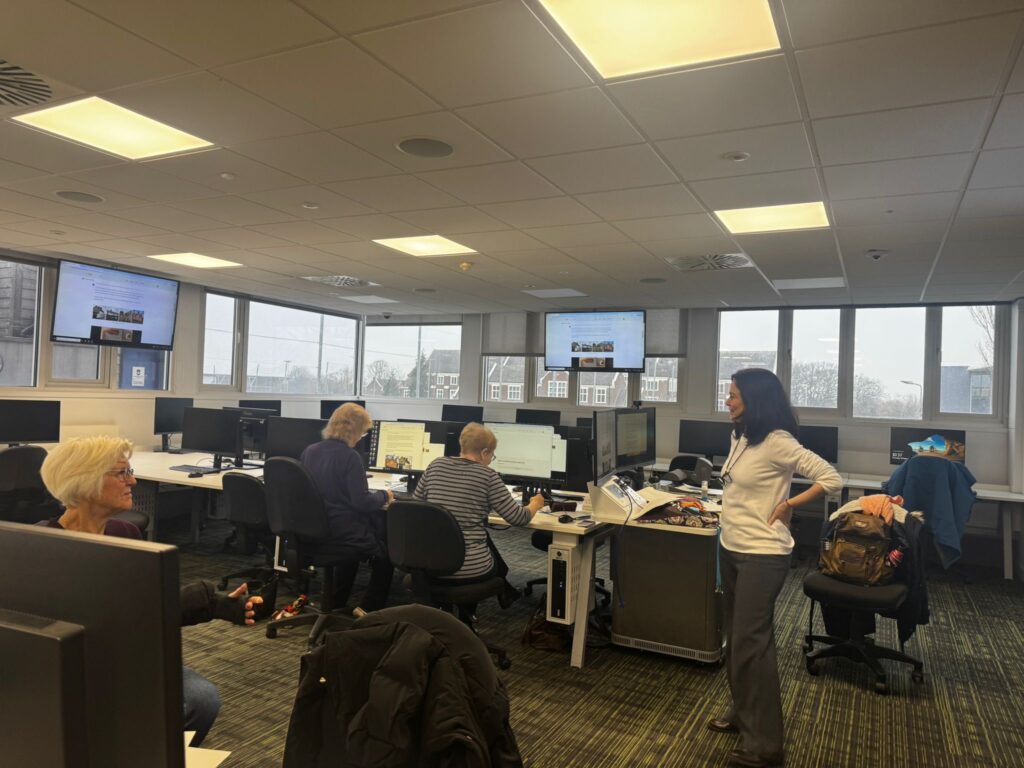
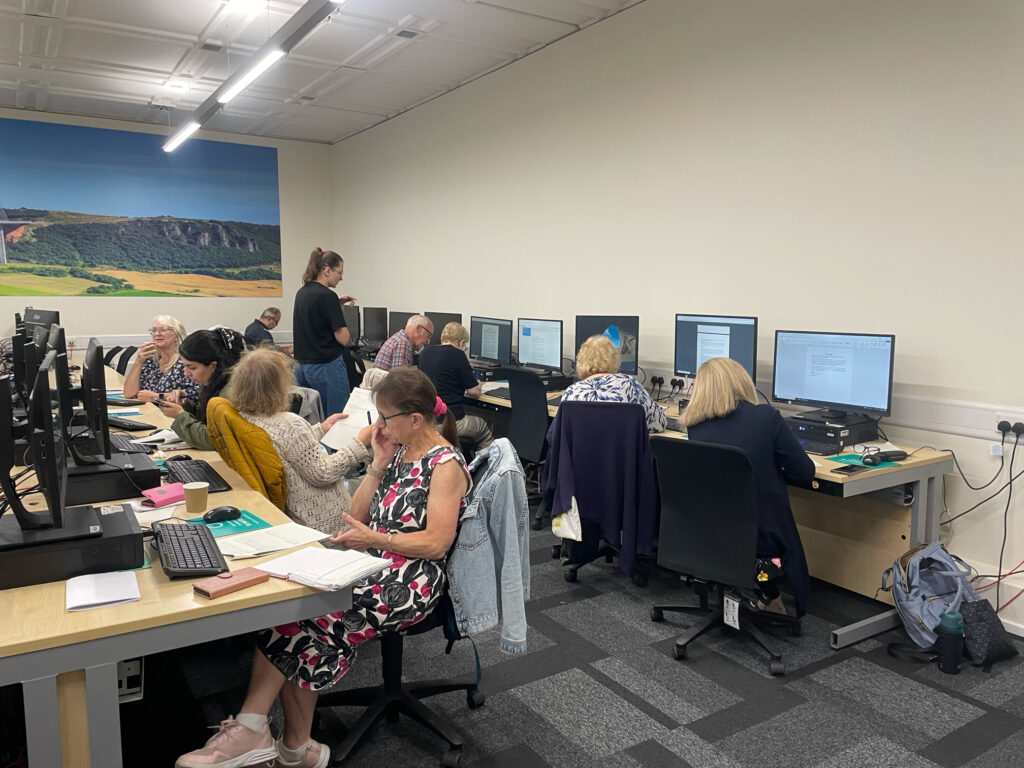
This morning at Loughborough University, the Loughborough Library Local Studies Volunteer Group (LLLSVG) took part in a hands-on workshop led by Dr Cristina G. Kiminami, with assistance from Pegah Aftabi. The session focused on ArcGIS StoryMaps, a digital platform for making interactive, map-based stories.
The LLLSVG and the TOWN Observatory have worked closely together since January 2025, with excellent results. The recent StoryMaps workshop was part of ongoing activity to support the volunteers to develop new digital skills.
(1)(2)(3)(4)(5)
Above:(1) & (2) Everyone enjoyed some very welcome refreshments before the workshop; (3) (4) (5) Participants each worked on their StoriesMaps with Dr Cristina G. Kiminami providing guidance and support throughout the session.
The group learned the basics of the ArcGIS StoryMaps platform and how it can be used to share Loughborough’s history in interesting new ways. They each learned how to upload images, videos and audio, and how to create stories about the local area. Everyone was enthusiastic and keen to see what digital storytelling can do.
Learning how to use StoryMaps gives the Local Studies volunteers a new set of skills for sharing their historical research with the public, ensuring Loughborough’s heritage stories are preserved and go on to be re-shared into the future.
The workshop was another great example of the successful partnership between the TOWN Observatory and the Loughborough Library Local Studies Volunteer Group. Further drop-in sessions with the group are scheduled to happen soon!
(1)(2)
Above:(1) &(2) LLLSVG and TOWN Observatory members who participated in the ArcGIS StoryMaps workshop.
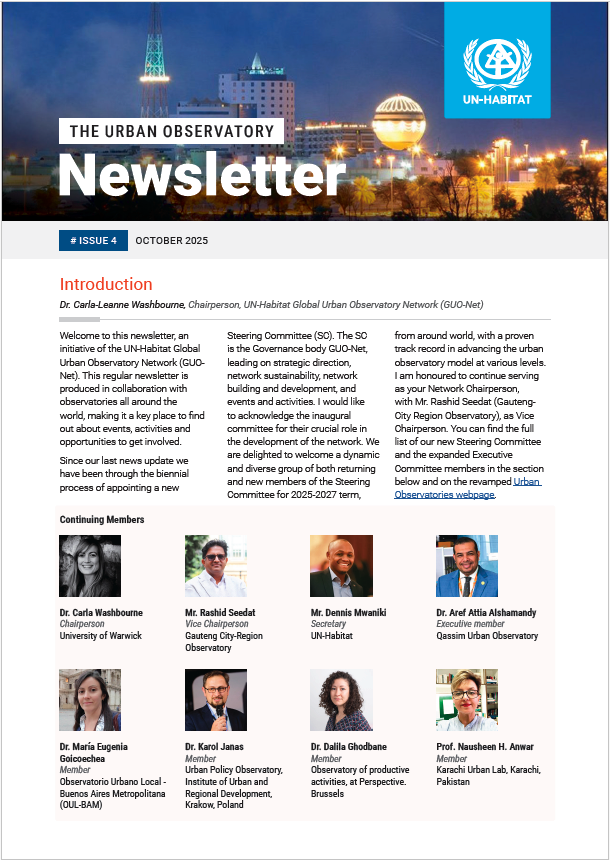
In Issue 4 of The Urban Observatory Newsletter, published by the UN-Habitat Global Urban Observatory Unit, Dr Rob Harland explores what is meant by ‘urban data’ from the perspective of someone relatively new to this emerging phenomenon. He draws attention to five categories of big data as being:
1. Sensor data on urban infrastructure and moving objects.
2. User data on society and humans.
3. Governmental administration data.
4. Customer and transaction.
5. Arts and humanities data.
In utilising a basic typology of settlement size (as shown in the ABOUT section), he counter-argues for an appreciation of ‘urban small data’ to reflect the rural end of the settlement spectrum. Rob’s argument reminds us of the UN’s pledge to ‘leave no one behind’, by ensuring that we ‘observe’ how people live in all settlement sizes.
Illustration Source: The Urban Observatory Newsletter UN-HABITAT Issue 4 Oct 2025*
To read the full article, download the newsletter directly here, or review all issues on the Urban Observatories website.
* Adapted from: Waugh D. (2000) Geography: an integrated approach, Walton-on-Thames: Nelson. p. 300
Advisory Group Meeting, Loughborough UniversityMarch 2024 Cambridge Festival March – May 2024 Drop-in Sessions at John Storer House, Fearon Hall and the Careers and Enterprise Hub
April 2024 Attendance at an event on Cultural Heritage and the Just City, University of Sheffield
April 2024 First meeting with the Gauteng City-Region Observatory, Wits University, Johannesburg, South AfricaMay and June 2024 Focus Groups and interviews with residents at John Storer House and Loughborough University
May and June 2024 Online interviews with stakeholders
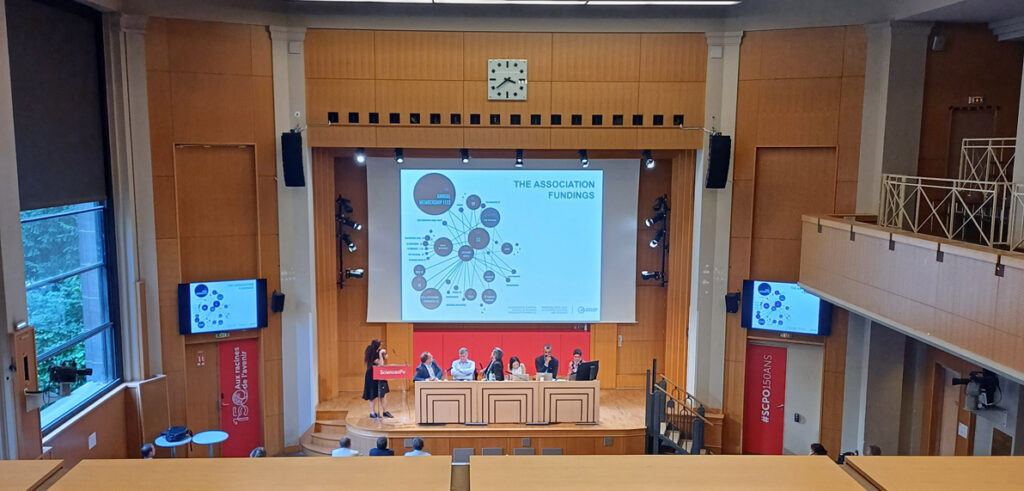
July 2024 Seedcorn projects launch event, Loughborough UniversityJuly 2024 Advisory Group Meeting, Loughborough UniversityJuly 2024 Presentation at the Association of European Schools of Planning (AESOP) congress in Paris, France
July 2024 Participation in the Design Sprint of the Branching Out project, University of York
August 2024 Presentation at theRoyal Geographical Society Annual International Conference, LondonAugust – December 2024 Initial meetings with the Loughborough Library Local Studies Volunteer Group
September 2024 Presentation on The Impact Hub at the Loughborough Heritage Forum, Loughborough Golf Club
September 2024 Participation at the Loughborough Heritage Open WeekendOctober 2024 Presentation on Designing Cities, Leicester’s Creative Industry DepotNovember 2024 Presentation for BA Architecture and Urbanism students, Federal University of Juiz de Fora, Brazil
November 2024 Presentation at the ICOMOS Scientific Symposium, Ouro Preto, Brazil
November 2024 Participatory Mapping Session with the Loughborough Library Local Studies Volunteer Group, Loughborough UniversityJanuary 2025 Advisory Group Meeting, Loughborough UniversityJanuary 2025 OECD Paris
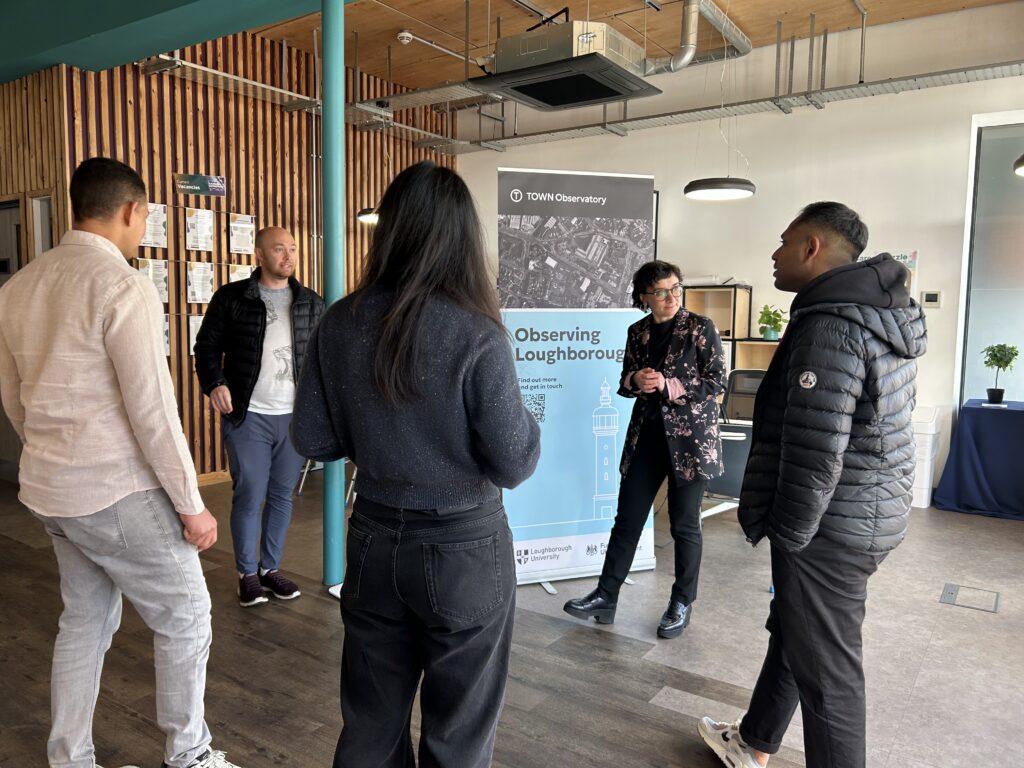
The TOWN Observatory (TO) participated in the Loughborough Heritage Open Weekend held on September 20th and 21st. During the event, the team was based at the Careers and Enterprise Hub, where they showcased the TO project and shared updates on its latest developments.
Throughout the weekend, the team offered presentations to the public, highlighting ongoing research and inviting visitors to engage in friendly conversations about the advancements and community involvement associated with the observatory.
(1)(2)(3)
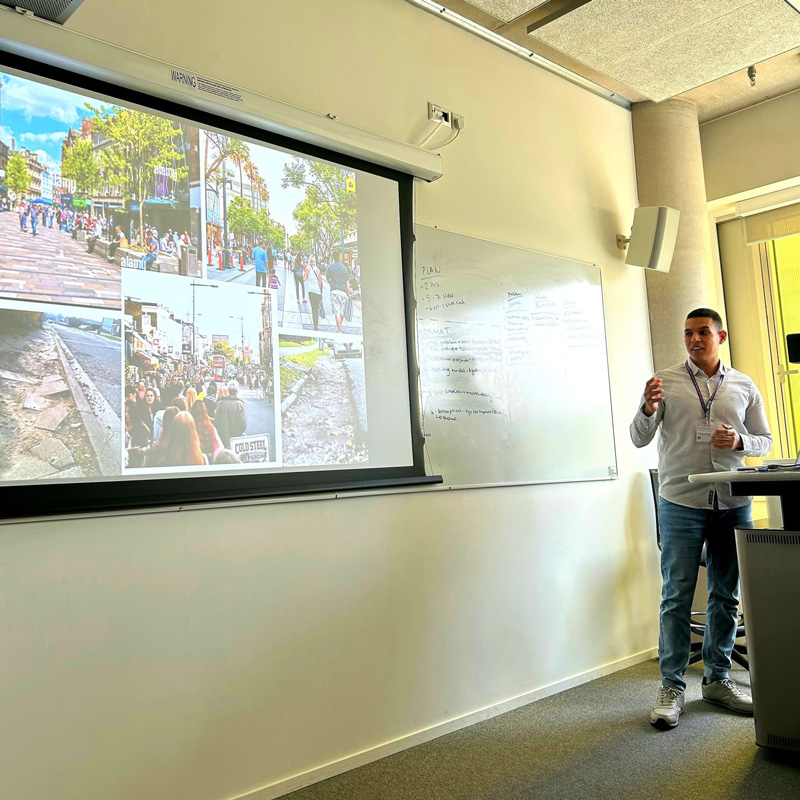
Above (read left to right): (1) Dr Robert Harland presenting the TOWN Observatory; (2) Dr Cristina A G Kiminami presenting the Loughborough Stories platform; (3) Pegah Aftabi presenting about a recent survey on co-creating heritage in Loughborough.
During the event, on Saturday, the TO presented the Loughborough Stories platform, featuring the new Medieval Loughborough initiative undertaken in partnership with the Loughborough Library Local Studies Volunteer Group (LLLSVG). The Heritage Open Weekend also featured an inaugural Medieval Loughborough Walk promoted and hosted by LLLSVG. Following this, the Colouring Loughborough team also shared their work and was available for walk in sessions.
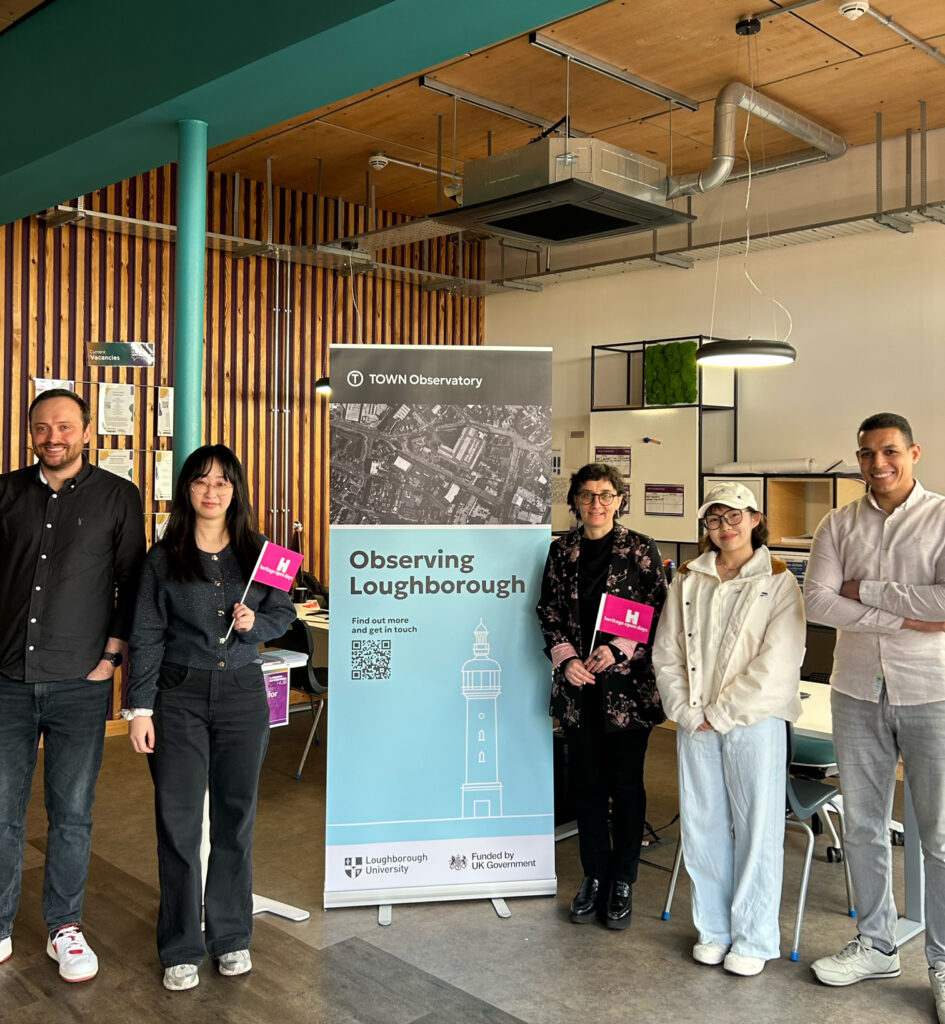
(4) Mihyun Kim, Pegah Aftabi, Dr Cristina A G Kiminami, and Dr Robert Harland at the Careers and Enterprise Hub ready to welcome the public on Saturday
(5)(6)(7)
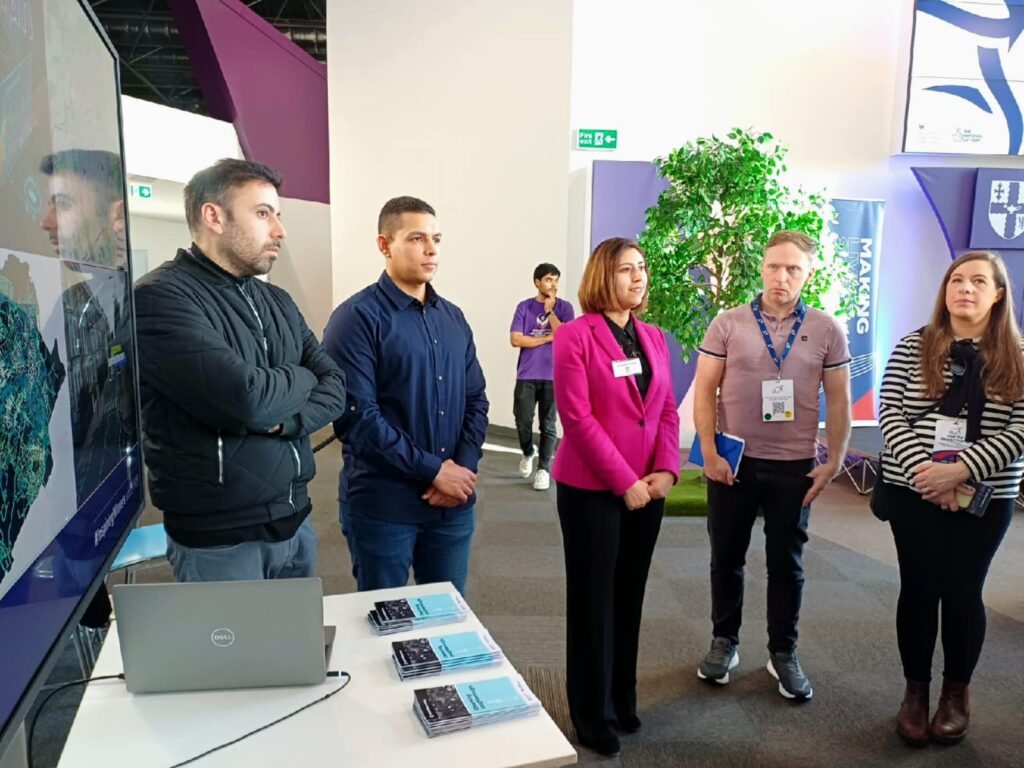
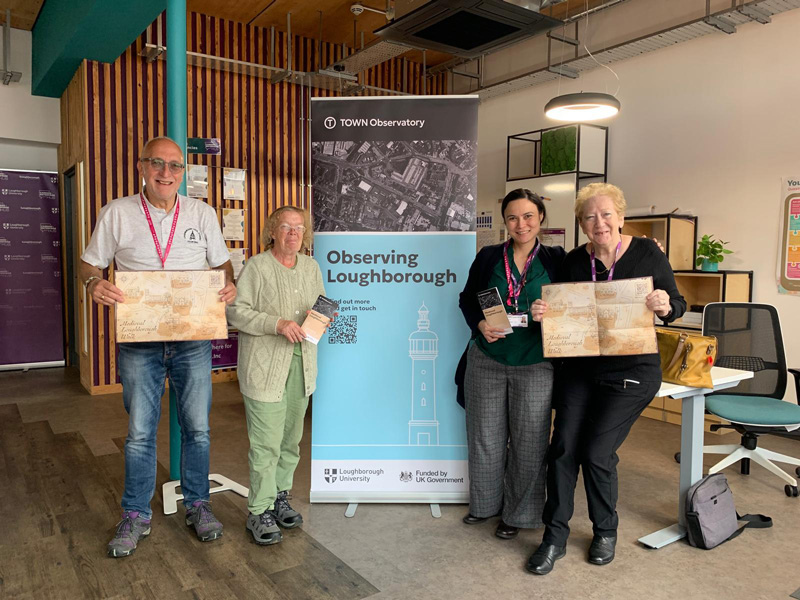
Above (read left to right):(5) David Kirkby, Christina Harris, and Sharon Gray from the LLLSVG team visiting the TOWN Observatory. (6) TOWN Observatory leaflets (including a map) available to the public. (7) The Medieval Loughborough Walk promoted and hosted by LLLSVG
The event also provided the opportunity to showcase innovative PhD research and early findings through interactive mapping activities with the public and ongoing collaborators.
(8)(9)
Above (8 and 9): The interactive mapping activity conducted by Pegah Aftabi at the Heritage Open Weekend. This session involved an investigation of communities interactions with listed buildings in Loughborough.
On Sunday, other members of the TOWN Observatory team were present. The main highlights were the sharing of the Loughborough in Motion and Chat Loughborough platforms. Several other doctoral researchers also showcased their work.
(10)(11)
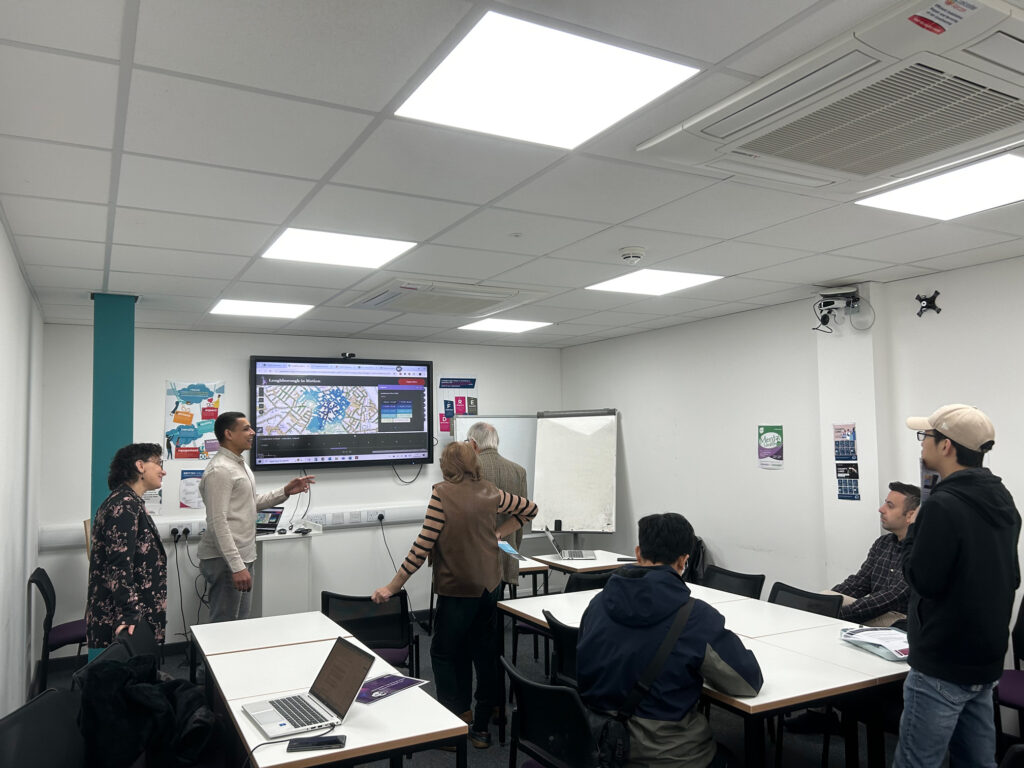
Above (read left to right): (10) Matt Beenchey, Tong Chen, Dr Asya Natapov, Wenjie Chen, Mohamed Shamroukh, (11) The TOWN Observatory team presenting the Loughborough in Motion Platform.
Acknowledgements: Thanks to Jill Vincent, Pete Hitchings, Bhavna Patel and John Weightman for their support in facilitating this activity.
The 19th International Conference on Computational Urban Planning and Urban Management (CUPUM) was hosted by the Bartlett Centre for Advanced Spatial Analysis (CASA) at UCL from 23 to 27 June 2025.
The conference featured more than 480 presentations and posters, showcasing an impressive breadth of research. A particular highlight was Professor Michael Batty’s keynote on the role of AI in urban planning and design, which provided valuable insights for future research directions. Alongside the formal sessions, workshops and networking events offered excellent opportunities to exchange ideas and explore collaborations.
At CUPUM 2025, the workshop “Visual Intelligence and Urban Perception” was co-led by several facilitators, including Dr. Asaya Natapov and Dr. Mohammad Forghani from the Impact Hub team.
Visual Intelligence and Urban Perception workshops led by Dr Asaya Natapov and Dr. Mohammad Forghani from the Impact Hub team
The session introduced a custom QGIS plugin, POI VizNet, developed for visibility network analysis, and explored how visual accessibility and perceptual connectivity in urban environments can be quantified using spatial data, image analysis, and graph theory. Participants engaged in hands-on exercises with sample datasets to generate visibility networks, calculate centrality measures, and interpret patterns of visual isolation and prominence. The workshop fostered valuable discussions on the role of visibility in shaping urban experience and on how visual intelligence tools can support more inclusive and human-centred planning.
Furhtermore, Mohamed Shamroukh participated in CUPUM 2025, the leading international conference on Computational Urban Planning and Urban Management. He presented his paper “Spatio-temporal analysis of pedestrian activity in Loughborough using Wi-Fi data”, co-authored with Asya Natapov and Taimaz Larimian, in a session chaired by Duncan Wilson (UCL CASA).
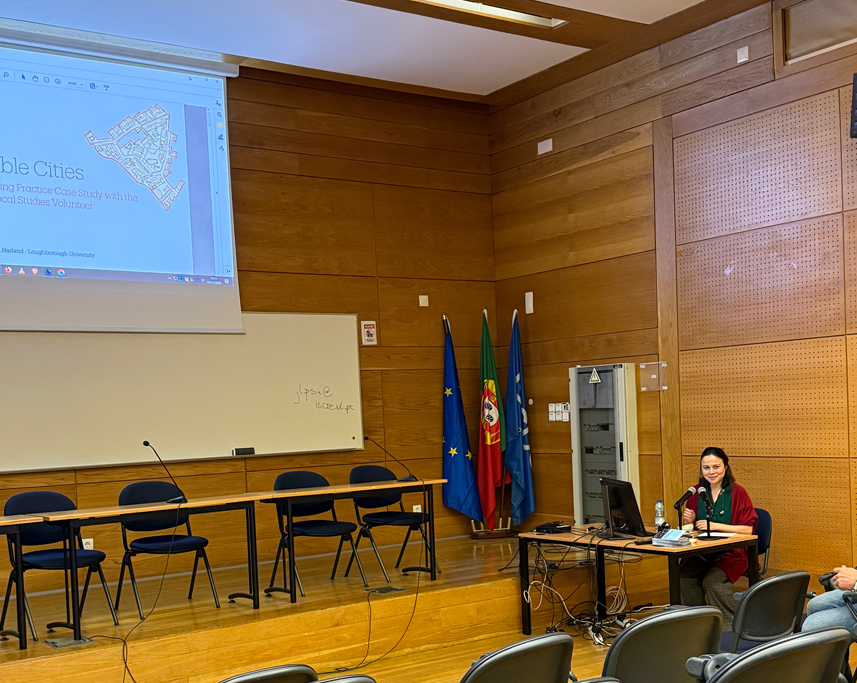
Mohamed Shamroukh presenting his research “Spatio-temporal analysis of pedestrian activity in Loughborough using Wi-Fi data” at CUPUM 2025
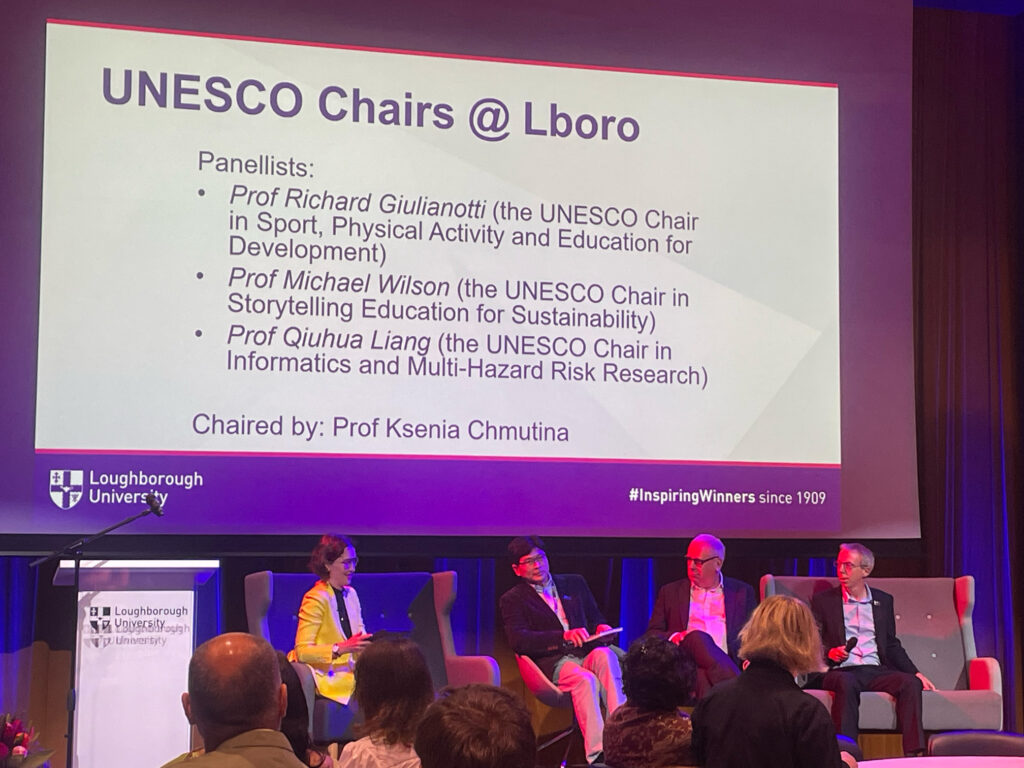
Professor Ksenia Chmutina presenting the three UNESCO Chairs from Loughborough University. From left to right: Professor Ksenia Chmutina; Professor Qiuhua Liang; Professor Mike Wilson; Professor Richard Giulianotti.
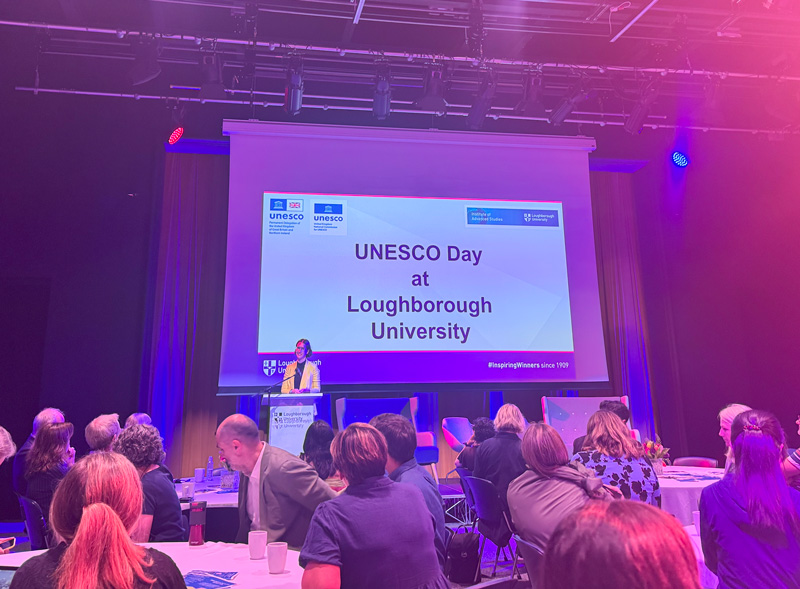
The event, organised by the Institute of Advanced Studies, brought together researchers, students, UNESCO-UK officials, HM Government representatives, and global leaders to reflect on the University’s role in advancing the UN Sustainable Development Goals.
One of the international panel discussions, titled “UNESCO in the World,” was chaired by Professor Dan Parsons. This discussion explored the global reach of UNESCO’s mission, featuring six panel members, including Dr Robert Harland, who contributed valuable perspectives to the panel questions.
Panel discussion titled UNESCO in the World featuring Dr Robert Harland as one of the panel members. From left to right: Professor Carmen Péez Gonzalez; Ms Ananya Bhattachaya; Dr Hulli Chen; Dr Robert Harland; Dr Monia Del Pinto; Dr Rachel Sandford.
(1)(2)(3)(4)(5)(6)(7)(8)
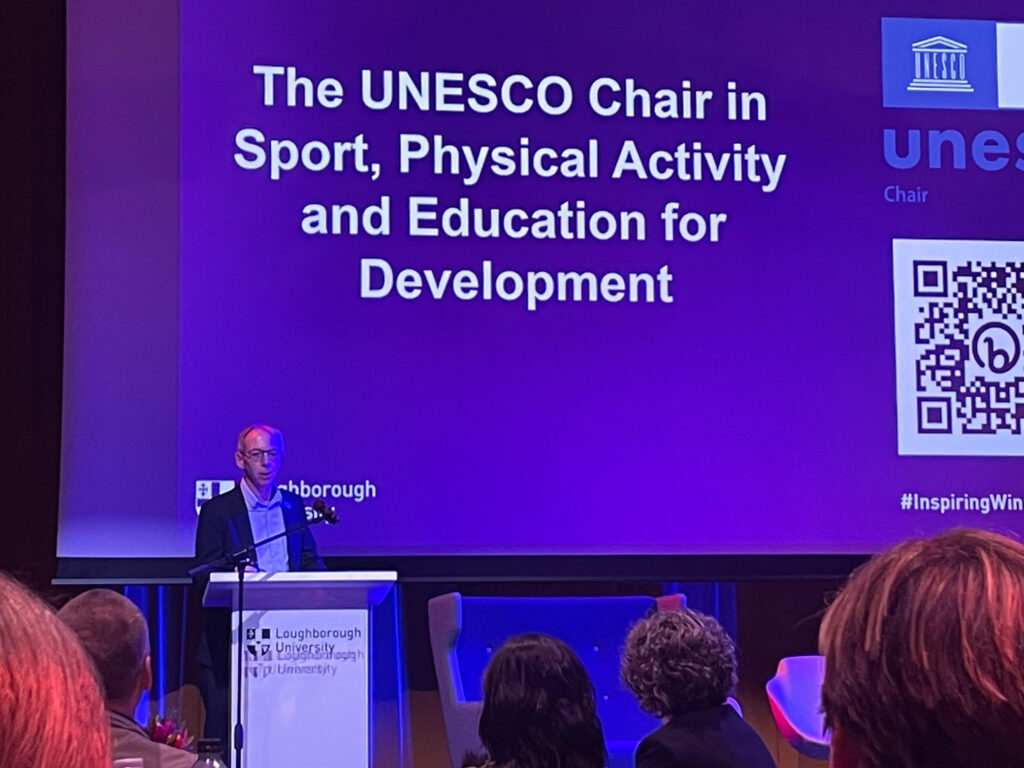
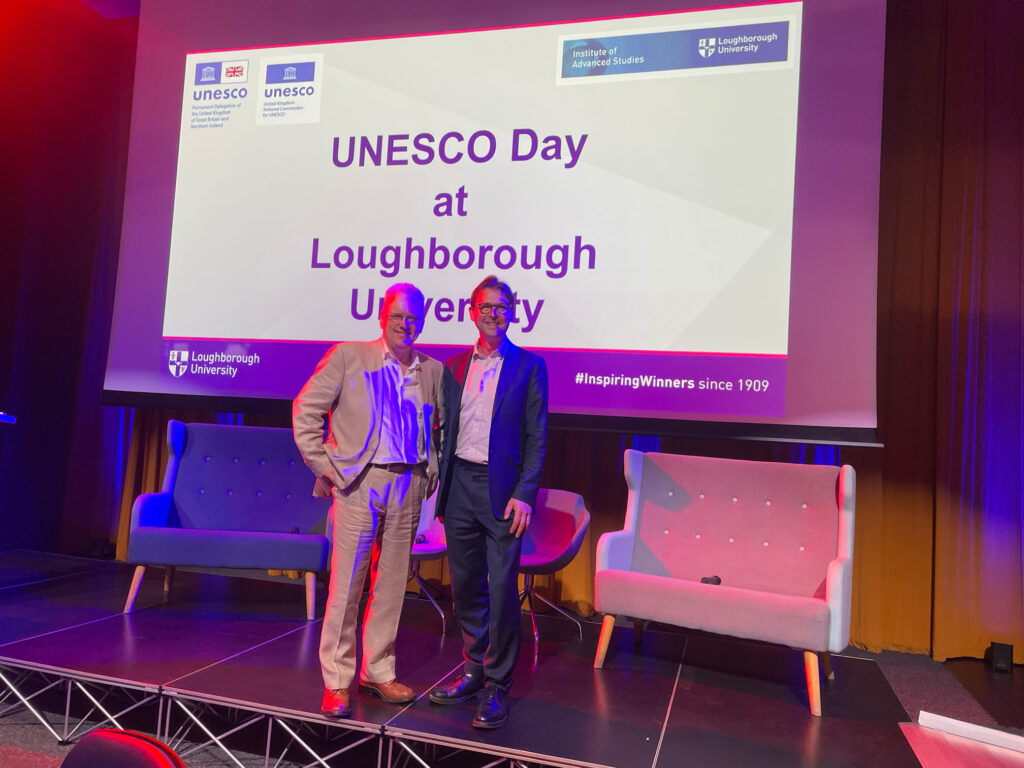
Above (read left to right, top to bottom): (1) Vice-Chancellor Professor Nick Jennings opening the UNESCO Day Event; (2) Professor Ksenia Chmutina introducing the event proceedings; (3) Professor Mike Wilson as UNESCO’s first Chair in Storytelling for Sustainability; (4) Professor Mike Wilson presenting the team; (5) Professor Richard Giulianotti, UNESCO Chair in Sport, Physical Activity and Education for Development; (6) Professor Qiuhua Liang, UNESCO Chair in Informatics and Multi-Hazard Risk Research; (7) Audience of the event; (8) Dr Robert Harland and James Ömer Bridge (Chief Executive and Secretary-General of UK UNESCO).
Furthermore, throughout the day, participants engaged with the work of the three UNESCO Chairs, visited exhibitions, and exchanged ideas with policymakers and academics.
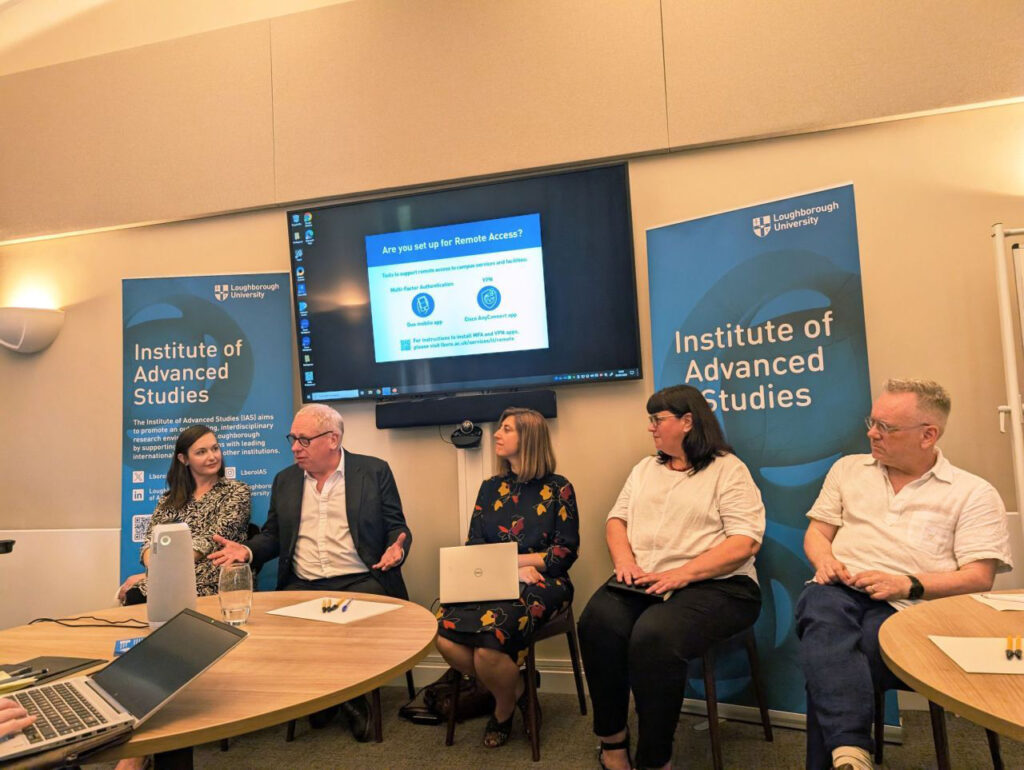
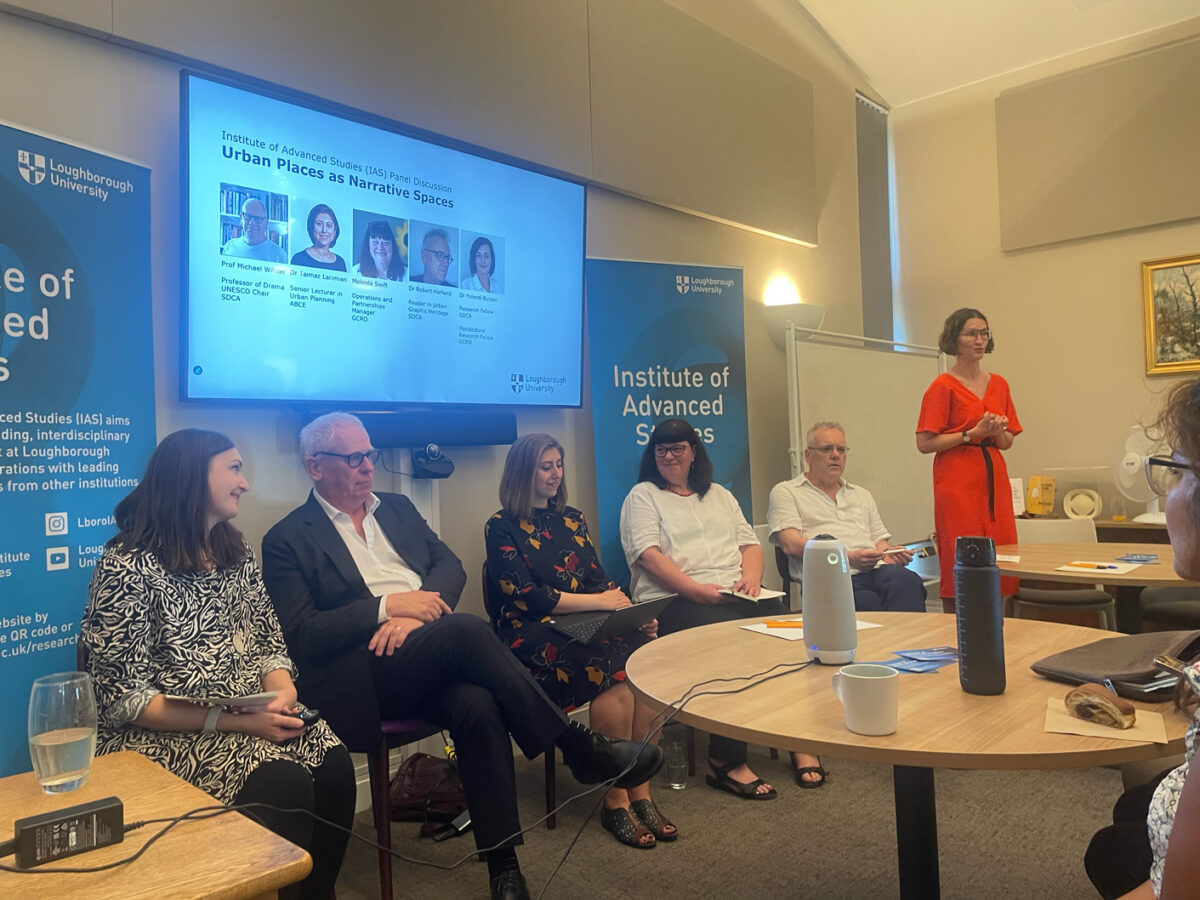
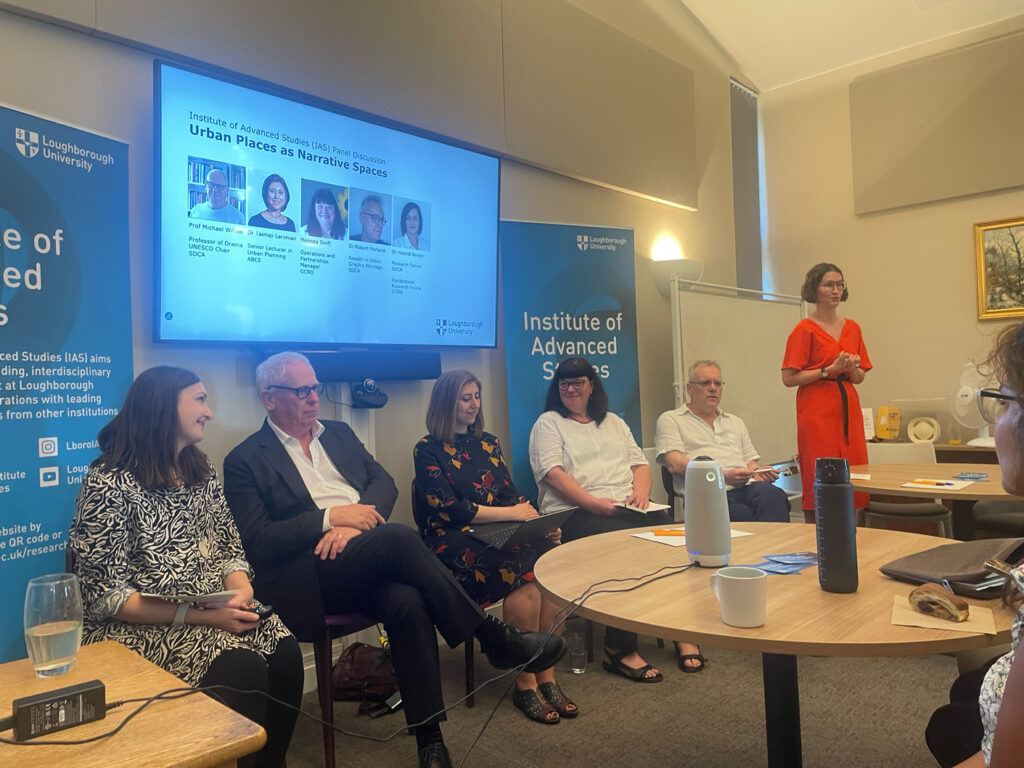
From left to right: Dr Yolandi Burger, Professor Michael Wilson, Dr Taimaz Larimian, Melinda Swift, Dr Robert Harland, and Professor Chmutina
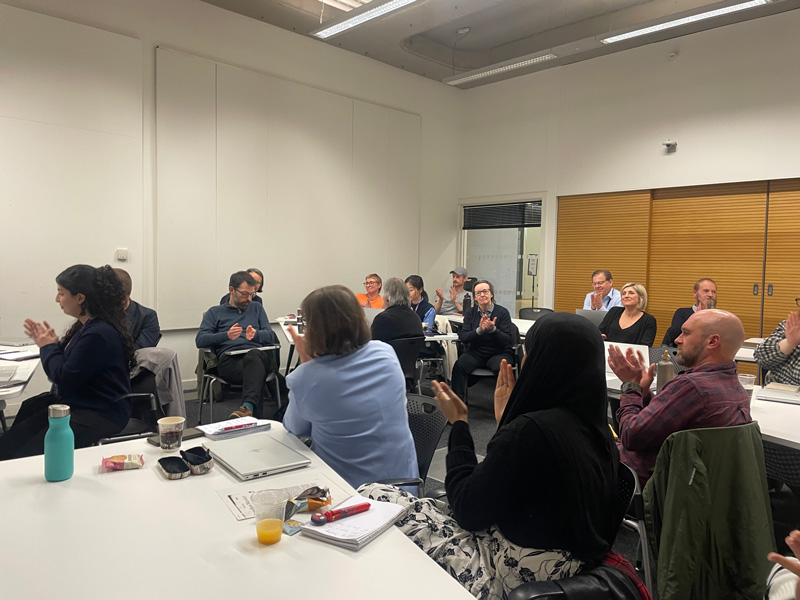
Members of the Loughborough University School of Design and Creative Arts Urban Practice (UP) group convened a panel discussion on the themeUrban Places as Narrative Spaces, which took place at the University’s Institute of Advanced Studies (IAS) on Tuesday, 1 July 2025.
This new research theme, or ‘frame’, has been introduced to the UP group by Dr Robert Harland, and will be developed over the coming years as part of his role as Deputy Lead for the UNESCO Chair in Storytelling Education for Sustainability initiative. This provides the vital link that incorporates the work of the recently established TOWN Observatory. and work with the Nelson Mandela Foundation on the Named after Nelson project.
The panel was chaired by IAS alumni Dr Yolandi Burger, a recently appointed Postdoctoral Research Fellow at the University of Johannesburg. Among the participating Loughborough colleagues were Professor Mike Wilson, Dr. Robert Harland, and Dr. Taimaz Larimian. The panel also featured in-person guest, Melinda Swift, Senior Manager of Partnerships and Operations at the Gauteng City Region Observatory, South Africa.
(1)(2)(3)
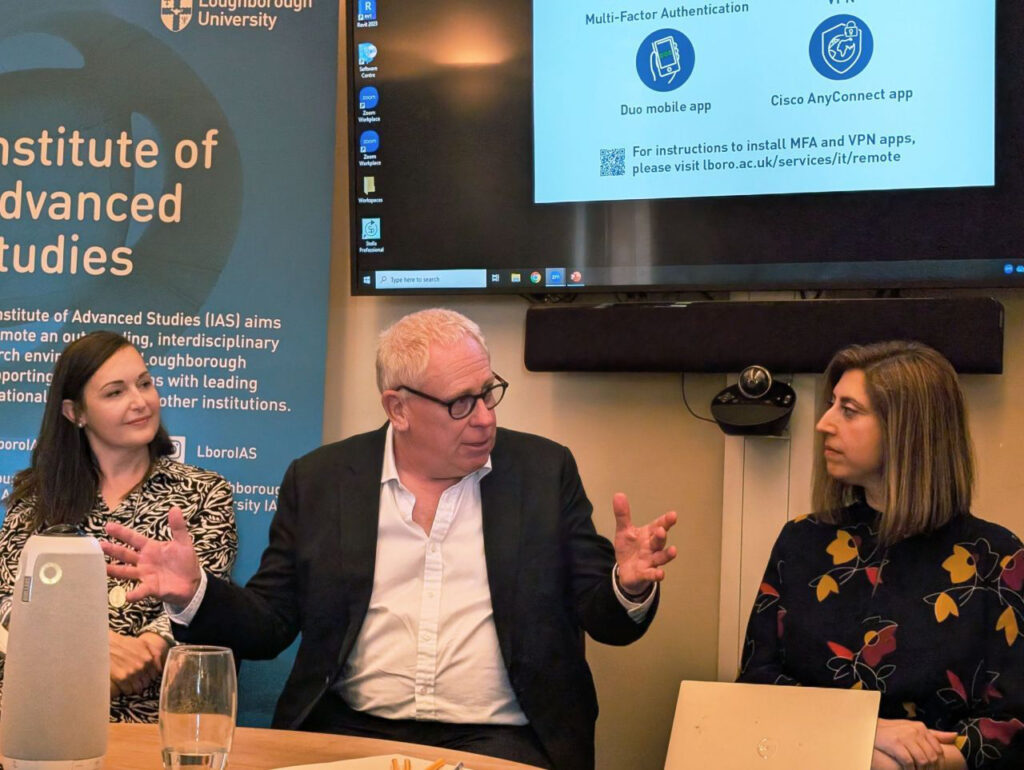
Above (read left to right): (1) Professor Chmutina is presenting and opening the panel; (2) Panel discussing the many diferent perspectives on the subject of Space narratives; (3) Professor Mike Wilson making his closing remarks.